Do Your Hands Fall Asleep Frequently? Discover What Could Be Behind It, Associated Diseases, and the Best Natural Remedies
 Espanol
Have you ever experienced that unsettling, prickling sensation—like tiny pins and needles—when your hand suddenly "falls asleep"? 🫳 This common phenomenon, medically referred to as paresthesia, is often temporary and harmless. However, when it becomes a frequent visitor, it can be a sign from your body that something deserves your attention. In this article, we'll explore the potential causes behind recurring hand numbness, discuss associated medical conditions to be aware of, and share effective, doctor-approved natural remedies to help you regain comfort and sensation. Let's unravel the mystery behind those sleepy hands. 🧠👐
Espanol
Understanding the Pins and Needles: What's Actually Happening?
When we say a limb has "fallen asleep," we're describing a temporary nerve compression. Nerves are like electrical cables carrying signals between your brain and body. Pressure on a nerve, often from your own posture (like leaning on your elbow or sleeping on your arm), disrupts these signals. This causes the familiar numbness and tingling. Usually, it resolves quickly once the pressure is relieved. But frequent or persistent episodes are a different story and warrant a closer look. 🔍
Common Culprits: Why Your Hands Might Fall Asleep Often
Beyond awkward sleeping positions, several everyday factors can contribute to chronic hand paresthesia:
Repetitive Strain Injuries (RSI): Continuous, repetitive motions, such as typing, using tools, or playing an instrument, can inflame tendons and compress nerves in the wrist and forearm. 🎹
Poor Ergonomics: An improperly set up workstation that strains your wrists, neck, and shoulders is a major contributor. Your keyboard, mouse, and chair height matter more than you think! 💻
Nutritional Deficiencies: A lack of essential vitamins, particularly B12, B6, and E, can impair nerve function. Minerals like magnesium and potassium are also crucial for nerve health. 🥑
Dehydration and Swelling: Not drinking enough water can lead to swelling in tissues, which may put pressure on nerves in tight anatomical spaces like the carpal tunnel. 💧
Associated Diseases and Medical Conditions 🩺
When hand numbness is persistent, severe, or accompanied by other symptoms, it could indicate an underlying medical condition. It is crucial to consult a healthcare professional for an accurate diagnosis. Potential conditions include:
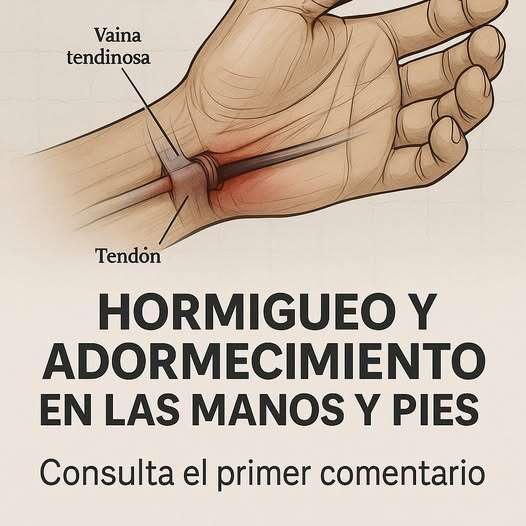
Carpal Tunnel Syndrome (CTS): This is the most well-known cause. It occurs when the median nerve is compressed as it travels through the wrist. Symptoms often include numbness in the thumb, index, and middle fingers, sometimes worsening at night. 🖐️
Cervical Radiculopathy (Pinched Nerve in the Neck): Problems in your cervical spine (neck), like a herniated disc or arthritis, can irritate the nerves that run down to your hands. The numbness often follows a specific path down your arm. 🦴
Diabetes and Peripheral Neuropathy: High blood sugar levels over time can damage nerves throughout the body, often starting in the hands and feet. This diabetic neuropathy usually causes a constant "glove-like" numbness. 🩸
Thyroid Disorders: Both hypothyroidism and hyperthyroidism can lead to fluid retention and nerve compression, resulting in tingling sensations.
Raynaud's Phenomenon: This condition causes blood vessels in the fingers and toes to narrow excessively in response to cold or stress, leading to numbness, color changes, and a cold sensation. ❄️
The Best Natural Remedies and Lifestyle Adjustments 🌿
For mild to moderate cases not linked to severe disease, several natural approaches can provide significant relief and prevention.
1. Ergonomic Optimization: Ensure your workspace supports a neutral wrist position. Consider an ergonomic keyboard, mouse, and chair. Take micro-breaks every 30 minutes to stretch. This is one of the most effective preventive measures.
2. Targeted Stretches and Exercises:
• Wrist Flexor/Extensor Stretch: Hold your arm out, palm up. Gently pull your fingers down toward the floor with the other hand. Hold for 15-30 seconds. Repeat with palm facing down. ↔️
• Nerve Gliding Exercises: Gently "floss" the median nerve by making a "stop" gesture, then extending fingers and thumb, tilting head away from the hand.
3. Anti-Inflammatory Diet: Incorporate foods rich in omega-3 fatty acids (salmon, walnuts), antioxidants (berries, leafy greens), and magnesium (almonds, spinach). Reduce processed foods and excess sugar to combat inflammation. 🥗
4. Stress Management and Posture: Chronic stress tenses muscles, compressing nerves. Practices like yoga, meditation, or deep breathing can help. Also, be mindful of your posture—avoid slouching and forward head position. 🧘♀️
5. Warm Compresses and Massage: Applying warmth to the neck, shoulders, and forearms can relax muscles and improve circulation. Gentle self-massage of the forearm and palm can also relieve tension. ✋
6. Consider Supplements: After consulting with a doctor, you might explore supplements like Alpha-Lipoic Acid, B-Complex vitamins, or Magnesium Glycinate, which have shown promise in supporting nerve health.
Conclusion: Listen to Your Body's Signals
Frequent hand numbness is more than just a nuisance—it's a message. While it often stems from lifestyle habits like posture and repetitive motions, it can also be a sign of conditions that require medical intervention. Start by observing the patterns: When does it happen? What activities precede it? Implement the practical lifestyle and dietary changes outlined above. 🗒️ However, if symptoms are severe, worsening, or accompanied by weakness, pain, or occur in other parts of your body, seeking professional medical advice is non-negotiable. A doctor can provide a definitive diagnosis through physical exams and tests like nerve conduction studies. By taking proactive steps, you can address the root causes, soothe those tingling nerves, and ensure your hands stay alert, functional, and comfortable. Here's to your health and well-being! ✨
Deja una respuesta