Do Your Hands Frequently Fall Asleep? Discover the Possible Causes, Associated Conditions, and Best Natural Remedies
 Espanol
Have you ever experienced that unsettling sensation of your hands suddenly "falling asleep"? ✋😴 That familiar tingling, prickling, or numbness that can range from a mild annoyance to a worrying disruption. You're not alone. This common phenomenon, medically referred to as paresthesia, is something most people encounter occasionally. However, when it becomes frequent, it's your body's way of sending a signal that something may need attention. This article will guide you through the possible causes, conditions associated with persistent hand numbness, and the best natural remedies to regain comfort and function.
Espanol
Understanding the "Pins and Needles" Sensation 🧠
Before diving into causes, it's helpful to understand what's happening. The sensation of numbness or tingling typically arises from interference with your nerves. Nerves are like electrical cables transmitting signals between your brain and the rest of your body. When a nerve is compressed, irritated, or damaged, these signals get disrupted, leading to the strange feelings we describe as "pins and needles," "falling asleep," or a loss of sensation.
Common & Temporary Causes of Hand Numbness
Often, the cause is simple and reversible. These are usually related to posture or pressure that temporarily cuts off circulation or compresses a nerve.
- Sleeping Position: 😴 Sleeping with your arm pinned under your body or head can compress nerves in your shoulder or wrist.
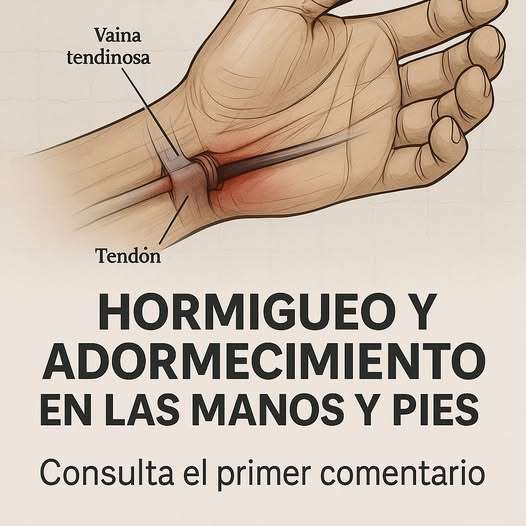
- Prolonged Repetitive Motions: ⌨️ Activities like typing, using tools, or playing an instrument for extended periods can inflame tendons, which then swell and press on nearby nerves.
- Leaning on Your Elbows: 📖 Constant pressure on the ulnar nerve (the "funny bone" nerve) at your elbow can cause numbness in your ring and pinky fingers.
- Cold Temperatures: ❄️ Exposure to cold can cause blood vessels to constrict, reducing blood flow and leading to temporary numbness.
If the numbness disappears quickly after changing position or warming up, it's likely benign. The key is listening to your body and adjusting your habits.
When to Look Deeper: Associated Medical Conditions 🩺
If hand numbness is frequent, occurs without obvious pressure, affects only specific fingers, or is accompanied by other symptoms, it could be linked to an underlying condition. Consulting a healthcare professional is crucial for an accurate diagnosis.
- Carpal Tunnel Syndrome (CTS): 🎯 This is a leading cause. It involves compression of the median nerve as it passes through the wrist's carpal tunnel. Numbness typically affects the thumb, index, middle, and part of the ring finger. It's common among people with repetitive hand use.
- Cervical Radiculopathy (Pinched Nerve in the Neck): A problem in your cervical spine (neck), like a herniated disc or arthritis, can irritate a nerve root that travels down to your hand. The location of numbness helps pinpoint which nerve is affected.
- Thoracic Outlet Syndrome (TOS): This involves compression of nerves or blood vessels between your collarbone and first rib. It can cause numbness in your fingers and arm, often worsened by overhead activities.
- Vitamin Deficiencies: 🥦 Deficiencies in B vitamins (particularly B12, B6, and B1) are essential for nerve health. A lack can lead to neuropathy, manifesting as tingling or numbness.
- Diabetes: 💉 High blood sugar levels over time can damage nerves throughout the body, a condition called diabetic neuropathy. It often starts as numbness or tingling in the hands and feet.
- Autoimmune Diseases: Conditions like Rheumatoid Arthritis (which causes joint inflammation) or Lupus can lead to nerve compression or inflammation.
Important: Persistent or unexplained numbness, especially if accompanied by weakness, pain, or affects both sides of the body, warrants a medical evaluation.
Best Natural Remedies & Lifestyle Adjustments 🌿
Alongside medical advice, several natural strategies can help manage and prevent hand numbness by reducing inflammation, improving circulation, and relieving pressure.
1. Ergonomic Optimization & Posture
Adjust your environment to support your body's natural alignment.
- Ensure your wrists are straight and hands at or below elbow level when typing. Consider an ergonomic keyboard and mouse. 🖥️
- Take frequent breaks using the 20-20-20 rule: every 20 minutes, take 20 seconds to stretch your hands and wrists.
- Be mindful of your sleeping position. Try to avoid curling your wrists or tucking your hands under your pillow.
2. Targeted Stretches & Exercises 🤲
Gentle stretches can relieve pressure and improve flexibility.
- Wrist Flexor/Extensor Stretch: Extend your arm with palm facing down. Gently pull your fingers back toward your body with the other hand. Hold for 15-30 seconds. Repeat with palm facing up.
- Prayer Stretch: Place palms together in front of your chest, fingers pointing upward. Slowly lower your hands toward your waist, keeping palms together, until you feel a stretch in your forearms.
- Nerve Gliding Exercises: Specific, gentle movements (like the Median Nerve Glide) can help nerves move more freely. Consult a physical therapist for guidance.
3. Anti-Inflammatory Diet & Supplements
What you eat can fight inflammation that contributes to nerve pressure.
- Incorporate omega-3 fatty acids (found in fatty fish, walnuts, flaxseeds) and antioxidant-rich foods (berries, leafy greens). 🥗
- Consider supplements like Turmeric (Curcumin), Bromelain (from pineapple), or Magnesium after discussing with your doctor, as they have natural anti-inflammatory properties and support nerve function.
- Ensure adequate intake of B vitamins through foods like eggs, legumes, and lean meats, or a high-quality B-complex supplement.
4. Warm Compresses & Massage
Applying a warm compress to your forearm, wrist, or neck can relax tight muscles and improve blood flow. 💆♂️ Gentle self-massage of the forearm, palm, and fingers can also stimulate circulation and release tension.
Conclusion & Final Thoughts
While occasional hand numbness from pressure is normal, frequent episodes are a message worth hearing. By understanding the potential causes—from simple posture issues to conditions like Carpal Tunnel Syndrome or vitamin deficiencies—you empower yourself to take proactive steps. Integrating ergonomic habits, consistent stretching, an anti-inflammatory diet, and targeted supplements can provide significant relief and support long-term nerve health. 🛡️
Remember, this information serves as a guide. If symptoms persist or cause concern, the most important step is to consult a healthcare professional for a proper diagnosis and personalized treatment plan. Your hands are vital tools for interacting with the world; giving them the care they deserve is an investment in your overall well-being and quality of life. ✨
Deja una respuesta