Do Your Hands Frequently Fall Asleep? Discover the Possible Causes, Associated Diseases, and Best Natural Remedies
 Espanol
Espanol
Do Your Hands Frequently Fall Asleep? Discover the Possible Causes, Associated Diseases, and Best Natural Remedies
That familiar, unsettling sensation of pins and needles, numbness, or a "dead" feeling in your hands—often described as your hands "falling asleep"—is a common experience for many. 🧤 While occasional episodes from temporary pressure on a nerve are normal, frequent or persistent occurrences can be a signal from your body that something needs attention. This comprehensive guide will explore the various reasons behind this phenomenon, identify when it might point to a more serious underlying condition, and provide actionable, natural strategies to find relief and improve your nerve health. 🤲
Understanding the "Pins and Needles" Sensation
The medical term for this sensation is paresthesia. It occurs when there's sustained pressure on a nerve, disrupting its normal function. Think of it like stepping on a garden hose; the water (or in this case, the nerve signal) can't flow properly. When the pressure is relieved, the nerve fires off signals erratically, resulting in that characteristic tingling or "prickling" feeling as it wakes back up. 🔌 Frequent episodes suggest that the nerve compression or irritation is recurring or chronic, which warrants a closer look.
Common Culprits: Everyday Causes of Hand Numbness
Often, the cause is related to posture or repetitive activities. Identifying and modifying these habits can bring significant relief.
🛌 Sleep Position: Sleeping with your wrists bent or with your arm pinned under your body compresses the nerves in your wrist and elbow.
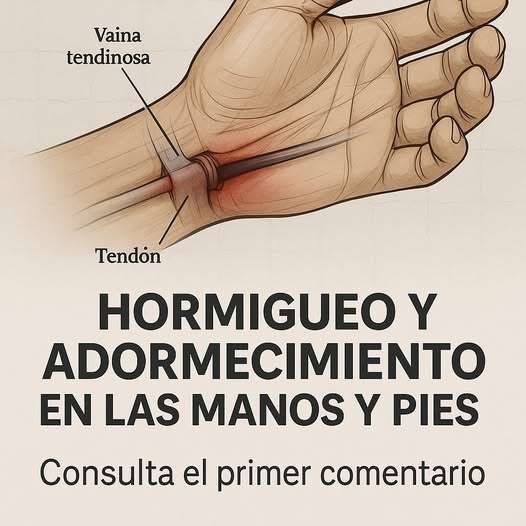
💻 Repetitive Strain: Prolonged typing, using tools, or any repetitive hand/wrist motion can inflame tendons and compress the median nerve in the wrist, a precursor to carpal tunnel syndrome.
🧘 Poor Posture: Slouching at a desk, hunching your shoulders, or holding your neck in an awkward position can irritate the nerves that originate in your neck and travel down to your hands.
🧊 Nerve Compression: Direct pressure from leaning on your elbows, tight watchbands, or casts can compress the ulnar nerve (funny bone nerve) or radial nerve.
When to Be Concerned: Associated Diseases and Conditions
If lifestyle adjustments don't help, or if numbness is accompanied by other symptoms, it could indicate a medical condition. Persistent or worsening hand numbness should always be evaluated by a healthcare professional. 🩺
Carpal Tunnel Syndrome (CTS): The most common entrapment neuropathy. It involves compression of the median nerve as it passes through the carpal tunnel in your wrist. Symptoms often affect the thumb, index, middle, and part of the ring finger, and may be worse at night.
Cervical Radiculopathy: A "pinched nerve" in your neck, often from a herniated disc or arthritis. The numbness or tingling follows the nerve's pathway down a specific arm and into the hand.
Diabetes: High blood sugar can lead to diabetic neuropathy, a type of nerve damage that often begins in the hands and feet with sensations of numbness, tingling, or pain.
Vitamin Deficiencies: Deficiencies in vitamins B12, B6, B1, and E are crucial for nerve health. A lack can directly cause paresthesia.
Autoimmune Diseases: Conditions like Rheumatoid Arthritis (causing joint inflammation that presses on nerves) or Multiple Sclerosis (affecting the central nervous system) can have hand numbness as a symptom.
Thyroid Disorders: An underactive thyroid (hypothyroidism) can sometimes lead to fluid retention and nerve compression.
Your Action Plan: Best Natural Remedies and Preventive Strategies
Alongside medical advice, these natural approaches can support nerve health, reduce inflammation, and prevent compression.
1. Ergonomic and Postural Adjustments 🪑
Set up your workspace so your wrists are straight and your elbows are at a 90-degree angle. Use ergonomic keyboards and mice. Practice the "20-20-20 rule": every 20 minutes, take 20 seconds to stretch your hands and look 20 feet away. Ensure your sleeping position keeps your wrists in a neutral, straight alignment; consider wearing a wrist splint at night if advised.
2. Targeted Stretches and Exercises ✋
Gentle stretching can relieve pressure and improve circulation.
- Wrist Flexor Stretch: Extend your arm, palm up. Gently pull your fingers back toward your body with the other hand. Hold for 15-30 seconds.
- Wrist Extensor Stretch: Extend your arm, palm down. Gently press the back of your hand down. Hold for 15-30 seconds.
- Nerve Gliding Exercises: Specific, gentle movements (like the "median nerve glide") can help nerves move more freely through tight spaces. Consult a physical therapist for proper technique.
3. Anti-Inflammatory Nutrition 🥗
Your diet plays a key role in reducing inflammation that can compress nerves. Focus on foods rich in:
- B Vitamins: Leafy greens, legumes, eggs, and fortified nutritional yeast.
- Magnesium: Spinach, almonds, avocados, and black beans (magnesium supports nerve function).
- Omega-3 Fatty Acids: Fatty fish (salmon, mackerel), flaxseeds, and walnuts to combat inflammation.
- Limit processed foods, excess sugar, and refined carbohydrates, which can promote inflammation.
4. Stress Management and Circulation 🧘♂️
Chronic stress can exacerbate muscle tension and inflammation. Practices like yoga, meditation, and deep breathing can help. Additionally, regular cardiovascular exercise (like brisk walking or swimming) improves overall blood flow, delivering vital nutrients to your nerves. Avoid smoking, as it severely impairs circulation.
5. Consider Supportive Supplements 💊
After consulting with a doctor, certain supplements may be beneficial. Alpha-lipoic acid, acetyl-L-carnitine, and curcumin (from turmeric) have shown promise in supporting nerve health and reducing neuropathic symptoms. Never begin a new supplement regimen without professional guidance, especially if you have underlying health conditions.
Conclusion: Taking Proactive Steps for Healthier Hands
Frequent hand numbness is more than a minor annoyance; it's a communication from your nervous system. 🧭 While the causes range from simple posture issues to more complex medical conditions, the path to relief often begins with mindful observation and proactive lifestyle changes. Start by auditing your daily habits, incorporating gentle stretches, and optimizing your nutrition for anti-inflammatory benefits. Most importantly, listen to your body. If the "pins and needles" persist, worsen, or are accompanied by weakness, pain, or occur in other parts of your body, seeking a professional medical diagnosis is the most crucial step you can take. By understanding the possible causes and implementing these natural remedies, you empower yourself to care for your nerve health and ensure your hands remain capable and comfortable for all of life's tasks. 🤝
Deja una respuesta