Do Your Hands Frequently Fall Asleep? Discover the Possible Causes, Associated Diseases, and the Best Natural Remedies
 Espanol
Have you ever experienced that unsettling sensation of your hand "falling asleep," feeling like a numb, tingling, or even prickly appendage that isn't quite your own? 🖐️💤 This common phenomenon, medically known as paresthesia, is something most of us encounter occasionally. However, when it becomes a frequent visitor, it's a signal from your body that deserves your attention. This article will guide you through the possible causes, the diseases it might be associated with, and the best natural remedies to regain comfort and sensation in your hands.
Espanol
What Exactly is the "Falling Asleep" Sensation?
Before diving into the causes, let's understand the sensation itself. When your hand falls asleep, you're experiencing a temporary disruption in the communication between your nerves and your brain. This can manifest as:
- Tingling (or "pins and needles"): A mild, prickling feeling.
- Numbness: A loss of sensation, making your hand feel "dead" or unresponsive.
- A burning sensation: A less common but possible symptom.
This happens when pressure is applied to a nerve or blood vessels, cutting off the blood supply or interfering with nerve signals. Once the pressure is relieved, the blood flow returns, and the nerves "wake up," often with that characteristic, sometimes uncomfortable, tingling.
Common and Harmless Causes: The Usual Suspects 🕵️♀️
Often, the cause is benign and related to your posture or daily habits. The good news is that these are typically easy to fix!
- Sleeping Posture: Sleeping with your arm bent under your head or pillow is a classic culprit. The prolonged pressure on nerves and blood vessels in your arm or wrist leads to that morning numbness.
- Repetitive Movements: Typing on a keyboard, using tools, or playing an instrument for extended periods can strain the nerves in your wrist and hand.
- Prolonged Pressure: Leaning on your elbows at a desk or holding your phone between your shoulder and ear can compress nerves further up the arm.
Pro Tip: If you experience this, try gently shaking your hand or moving your fingers to encourage blood flow. Avoid sudden, forceful movements.
When to Pay Closer Attention: Potential Underlying Conditions 🩺
If your hands are falling asleep frequently without an obvious cause like posture, it could be a symptom of an underlying medical condition. It's crucial to consult a healthcare professional for a proper diagnosis if this is the case.
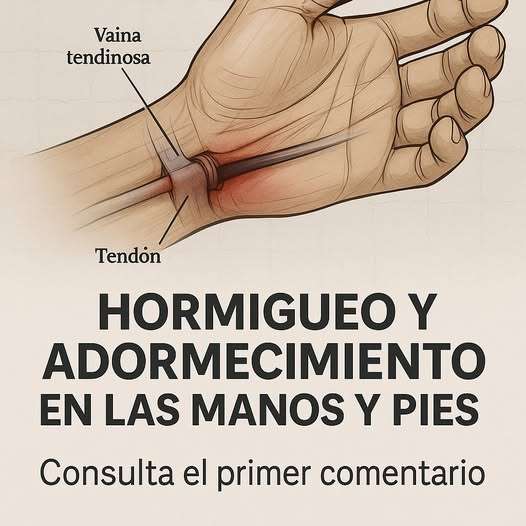
- Carpal Tunnel Syndrome (CTS): This is one of the most common causes. It occurs when the median nerve, which runs from your forearm into your palm, is compressed at the wrist. The numbness and tingling often affect the thumb, index, and middle fingers and can be worse at night. 🎹
- Pinched Nerve (Cervical Radiculopathy): A nerve in your neck can become compressed or irritated due to a herniated disc, arthritis, or an injury. This can cause pain, numbness, or weakness that radiates down into your shoulder, arm, and hand.
- Vitamin Deficiencies: Deficiencies in vitamins B12, B6, B1, or E are known to cause nerve damage (neuropathy) and lead to paresthesia. A balanced diet is key! 🥦
- Diabetes: High blood sugar levels over time can damage nerves throughout the body, a condition known as diabetic neuropathy. This often starts in the hands and feet.
- Thyroid Disorders: An underactive thyroid (hypothyroidism) can sometimes lead to peripheral neuropathy, resulting in tingling sensations.
Your Arsenal of Natural Remedies and Preventive Strategies 🌿
For occasional or mild cases, several natural approaches can provide significant relief and help prevent future episodes.
- Ergonomic Adjustments: Set up your workspace to support your body. Use an ergonomic keyboard and mouse, ensure your chair and desk are at the correct height, and keep your wrists in a neutral position while typing.
- Stretching and Exercise: Incorporate regular stretches for your wrists, hands, neck, and shoulders. Simple rotations of the wrists, spreading and closing your fingers, and neck tilts can work wonders. 🧘♀️
- Anti-Inflammatory Diet: Chronic inflammation can aggravate nerve issues. Focus on consuming foods rich in omega-3 fatty acids (like salmon and walnuts), antioxidants (berries, leafy greens), and magnesium (almonds, spinach).
- Stress Management: High stress can amplify pain and discomfort. Practices like yoga, meditation, or deep-breathing exercises can help manage stress levels and, in turn, reduce nerve-related symptoms. 😌
- Acupuncture and Massage: These therapies can help improve blood circulation, release muscle tension, and potentially relieve pressure on compressed nerves.
Remember: While these remedies are excellent for general wellness and mild symptoms, they are not a substitute for professional medical advice for persistent or severe issues.
Conclusion: Listen to What Your Body is Telling You
The occasional "sleeping" hand is usually nothing to worry about and is easily remedied by a change in position. However, frequent, persistent, or painful numbness and tingling are clear signals that your body is asking for help. 🚨 By understanding the potential causes—from simple posture mistakes to conditions like Carpal Tunnel Syndrome or vitamin deficiencies—you are empowered to take the right steps. Start with the natural remedies and lifestyle adjustments outlined here, but never hesitate to seek professional medical guidance to get to the root of the problem. Your hands are vital tools for interacting with the world; taking care of them ensures they will continue to serve you well for years to come. ✨
Deja una respuesta