Do Your Hands Frequently Fall Asleep? Discover the Underlying Causes, Associated Conditions, and Best Natural Remedies
 Espanol
Have you ever experienced the unsettling sensation of your hands falling asleep? That prickling, "pins and needles" feeling, known medically as paresthesia, is more than just a minor nuisance. While occasional episodes are common and usually harmless, frequent occurrences can be a red flag, signaling underlying health conditions that require attention. This comprehensive guide will explore the common and not-so-common reasons behind this phenomenon, the conditions associated with it, and the best natural remedies to regain comfort and sensation in your hands. Let's unravel the mystery behind those sleeping hands and empower you with knowledge and solutions. 🧐
Espanol
What Exactly is the "Falling Asleep" Sensation? 🤔
When we say our hands have "fallen asleep," we're describing a specific set of sensations: numbness, a loss of feeling, and that distinctive tingling or prickling known as paresthesia. This happens when sustained pressure is applied to a nerve, disrupting its ability to send signals to the brain. It can also occur when blood flow to the area is reduced. Once the pressure is relieved or blood flow is restored, the nerve "wakes up," often with a temporary, sometimes uncomfortable, surge of sensation. While this is normal once in a while, persistent or recurrent episodes are your body's way of asking for help.
Common Culprits: Why Your Hands Frequently Fall Asleep
Understanding the root cause is the first step toward finding relief. Here are the most frequent offenders:
Poor Sleeping Postures: Do you often wake up with numb hands? 🛌 You might be sleeping in a position that compresses the nerves in your neck, shoulder, or arms. Tucking your hands under your pillow or head, or sleeping with your wrists bent at an extreme angle, can easily put pressure on the ulnar or median nerves.
Repetitive Strain Injuries (RSI): In our modern, tech-driven world, repetitive activities are a major cause. Typing on a keyboard all day, using a mouse, or working on an assembly line can lead to inflammation that compresses nerves in the wrist and hand.
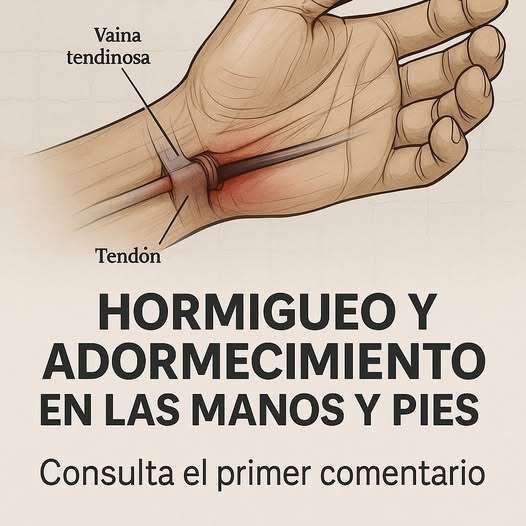
Carpal Tunnel Syndrome (CTS): This is one of the most well-known causes. The median nerve, which runs through a narrow passageway in your wrist called the carpal tunnel, becomes compressed. This often leads to numbness and tingling specifically in the thumb, index, middle, and part of the ring finger.
Cervical Radiculopathy: Sometimes, the problem originates not in your hand, but in your neck. A pinched nerve in the cervical spine (your neck) can cause pain, numbness, and tingling that radiates down your arm and into your hand. This is often related to a herniated disc or arthritis in the neck.
Associated Health Conditions: When to Pay Closer Attention ⚠️
Frequent hand numbness can sometimes be a symptom of a more systemic health issue. It's crucial to consult a healthcare professional if you suspect any of the following:
Diabetes: Consistently high blood sugar levels can lead to diabetic neuropathy, a type of nerve damage that commonly affects the hands and feet. This numbness is often persistent rather than intermittent.
Vitamin Deficiencies: Your nerves rely on specific vitamins to function correctly. A deficiency in Vitamin B12 is a classic cause of neuropathy and paresthesia. Ensuring adequate levels of this vitamin is crucial for nerve health.
Thyroid Disorders: An underactive thyroid (hypothyroidism) can, over time, lead to peripheral neuropathy, contributing to symptoms in the hands.
Autoimmune Diseases: Conditions like Rheumatoid Arthritis can cause inflammation in the joints of the wrist, compressing nerves. Other autoimmune diseases, such as Lupus or Multiple Sclerosis, can also directly affect the nervous system.
Thoracic Outlet Syndrome (TOS): This occurs when blood vessels or nerves in the space between your collarbone and your first rib (the thoracic outlet) are compressed. This can cause numbness in your fingers and arm pain.
Your Action Plan: The Best Natural Remedies and Lifestyle Adjustments 🌿
For many cases, simple and consistent natural remedies can provide significant relief. Always discuss these with your doctor before starting, especially if you have an underlying condition.
1. Optimize Your Ergonomics: If you work at a desk, ensure your workspace is set up for success. Your wrists should be in a neutral, straight position when typing, not bent upwards or downwards. Consider using an ergonomic keyboard and mouse, and take regular breaks to stretch. 🖥️
2. Perform Nerve Gliding Exercises: These gentle exercises can help the median and ulnar nerves move more freely through their surrounding tissues, reducing symptoms of compression. A simple one is making a gentle fist, then sliding your fingers out straight, and finally gently spreading them apart. Repeat several times a day.
3. Incorporate Anti-Inflammatory Foods: Diet plays a key role in managing inflammation. Focus on incorporating foods rich in omega-3 fatty acids (like salmon and walnuts), turmeric, ginger, and leafy green vegetables. Staying well-hydrated is also essential for overall tissue health. 🥗
4. Mind Your Posture, Day and Night: Be conscious of your posture throughout the day—avoid slouching to prevent nerve compression in the neck. At night, try to sleep on your back or side with your arms in a neutral position. Wearing a wrist splint to bed can help keep your wrist straight if you have Carpal Tunnel Syndrome.
5. Supplement Wisely: Under medical guidance, consider supplements known to support nerve health. Alpha-Lipoic Acid and Acetyl-L-Carnitine have shown promise in supporting nerve function. Of course, addressing any vitamin B12 deficiency is paramount.
6. Manage Stress and Improve Circulation: Practices like yoga and meditation can reduce overall stress, which may help lower inflammation. Gentle cardiovascular exercise, such as walking or swimming, improves blood circulation, which is vital for delivering nutrients to your nerves. 🧘♀️
Conclusion: Taking Control of Your Hand Health
Experiencing your hands falling asleep frequently is a signal from your body that should not be ignored. While it can stem from simple causes like an awkward sleeping position, it may also point to issues like Carpal Tunnel Syndrome, vitamin deficiencies, or other underlying health conditions. The key is to listen to your body. By understanding the potential causes, making proactive ergonomic and postural adjustments, adopting an anti-inflammatory diet, and performing specific exercises, you can take significant steps toward alleviating discomfort and protecting your long-term nerve health. If symptoms persist, worsen, or are accompanied by weakness, seeking a professional medical evaluation is the most important step you can take. Your hands are vital tools—give them the care they deserve! ✨
Deja una respuesta