Do Your Hands Frequently Fall Asleep? Discover the Underlying Causes, Associated Conditions, and Best Natural Remedies
 Espanol
Have you ever experienced that unsettling sensation of your hand suddenly "falling asleep," turning into a strange, tingling, or numb weight at your end of your arm? 🤚💤 This common phenomenon, known medically as paresthesia, is often temporary and harmless. However, when it becomes a frequent occurrence, it can be a sign from your body that something needs attention. This article will guide you through the underlying causes, conditions associated with persistent symptoms, and the best natural remedies to regain comfort and sensation in your hands.
Espanol
What Does It Mean When Your Hand "Falls Asleep"?
Technically, the feeling of your hand falling asleep is a type of paresthesia. It typically happens when sustained pressure is applied to a nerve, disrupting its ability to send signals to the brain. Think of it like sitting on a phone line – the message gets interrupted. 🧠❌ When the pressure is relieved, the nerve "wakes up," resulting in that familiar "pins and needles" sensation, which is the nerve signaling its return to normal function. While this is usually a temporary glitch, frequent episodes warrant a deeper look.
Common Culprits: The Underlying Causes
Understanding why this happens is the first step toward addressing it. The causes range from simple behavioral habits to more complex physiological issues.
1. Poor Posture and Nerve Compression: This is the most frequent cause. Sleeping with your wrist bent at an awkward angle, or resting your elbows on a hard desk for prolonged periods, can compress the nerves running down your arm. The ulnar nerve (funny bone nerve) and the median nerve are particularly vulnerable.
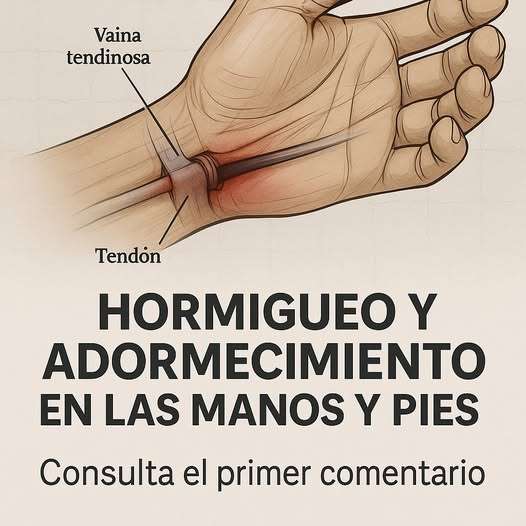
2. Repetitive Strain Injuries (RSI): Activities involving repetitive motions, such as typing, playing an instrument, or using vibrating tools, can lead to inflammation in the tendons and tissues of the wrist. This swelling can, in turn, put pressure on the nerves. 💻🎸
3. Vitamin Deficiencies: Vitamins play a crucial role in nerve health. A deficiency in Vitamin B12 is a well-known culprit for causing nerve damage and paresthesia. Ensuring adequate intake is vital for proper neurological function.
4. Dehydration: Your body needs adequate fluids to maintain blood volume and deliver essential nutrients to your nerves. Even mild dehydration can sometimes manifest as tingling or numbness.
When to Pay Closer Attention: Associated Conditions
If hand numbness is a regular and persistent problem, it could be a symptom of an underlying medical condition. It is crucial to consult a healthcare professional for an accurate diagnosis. 🩺
Carpal Tunnel Syndrome (CTS): This is a classic condition where the median nerve is compressed as it travels through the carpal tunnel in your wrist. Symptoms often include numbness or tingling in the thumb, index, and middle fingers, sometimes worse at night.
Cervical Radiculopathy (Pinched Nerve in the Neck): The problem may not be in your hand at all! A herniated disc or bone spur in your neck can irritate or compress a nerve root that leads to your arm and hand, causing symptoms far from the source.
Diabetes: High blood sugar levels over time can lead to diabetic neuropathy, a type of nerve damage that commonly affects the hands and feet. This is a serious condition requiring medical management.
Thyroid Disorders: An underactive thyroid (hypothyroidism) can sometimes cause fluid retention and swelling, which may put pressure on peripheral nerves.
Your Action Plan: Best Natural Remedies and Prevention
For occasional, posture-related numbness, several natural strategies can provide significant relief and prevention.
1. Ergonomic Optimization: Set up your workspace and sleeping environment to support neutral postures. Use an ergonomic keyboard and mouse, ensure your chair and desk are at the correct height, and consider wearing a wrist splint at night to keep your wrist straight. 🪑✨
2. Stretch and Strengthen: Incorporate simple exercises into your daily routine.
- Wrist Extensor Stretch: Arm extended, gently pull your fingers back toward your body for 15-30 seconds.
- Prayer Stretch: Press your palms together in front of your chest, fingers pointing up, and slowly lower your hands toward your waist.
- Grip Strengthening: Squeeze a stress ball or therapy putty to build supporting muscles.
3. Anti-Inflammatory Diet: Fuel your body with foods that fight inflammation. Focus on incorporating omega-3 fatty acids (found in salmon and walnuts), turmeric, ginger, and plenty of fruits and vegetables. 🥦🐟
4. Stay Hydrated: Make a conscious effort to drink water throughout the day. Carry a water bottle with you as a constant reminder.
5. Mind Your Vitamins: Eat a balanced diet rich in B vitamins (leafy greens, eggs, legumes). If you suspect a deficiency, talk to your doctor about testing and potential supplementation.
6. Take Frequent Breaks: If your work is repetitive, follow the 20-20-20 rule: every 20 minutes, take 20 seconds to stretch your hands and wrists and look at something 20 feet away. This prevents strain accumulation.
Conclusion: Listen to What Your Body is Telling You
While a hand falling asleep occasionally is rarely a cause for alarm, a pattern of frequent numbness or tingling is your body's way of sending a signal. 🤚🔔 It can point to anything from a simple need for better posture and hydration to an underlying condition like Carpal Tunnel Syndrome or a nutritional deficiency. By understanding the potential causes and proactively implementing natural remedies like ergonomic adjustments, targeted stretches, and an anti-inflammatory diet, you can take meaningful steps toward resolving the discomfort. Always prioritize a professional medical consultation for persistent symptoms to rule out serious conditions and receive a personalized treatment plan. Your hands are essential tools—give them the care they deserve.
Deja una respuesta