Do Your Hands Frequently Fall Asleep? Discover What Could Be Behind It, Associated Conditions, and the Best Natural Remedies
 Espanol
Have you ever experienced that unsettling sensation of pins and needles, numbness, or a "falling asleep" feeling in your hands? 🧤 It's a common annoyance for many, often occurring after leaning on an arm for too long. However, when this sensation becomes frequent or persistent without an obvious cause, it can be a signal from your body that something deserves attention. This article delves into the potential reasons behind this phenomenon, explores associated medical conditions, and offers a guide to effective, natural remedies to help you regain comfort and sensation.
Espanol
Understanding the "Falling Asleep" Sensation 🧠
The technical term for this feeling is paresthesia. It occurs when sustained pressure is applied to a nerve, disrupting its normal communication with your brain. Think of a nerve like an electrical cable; when it's compressed, the signals get scrambled, leading to numbness, tingling, or that "dead" feeling. Once the pressure is relieved, blood flow returns, and the nerve signals resume, often accompanied by a brief, intense prickling sensation known as "pins and needles." While occasional paresthesia is normal, frequent episodes, especially in both hands or during specific activities like holding a phone or driving, warrant a closer look at the underlying causes.
Common Culprits and Associated Conditions ⚠️
Frequent hand paresthesia can stem from various sources, ranging from temporary habits to more chronic health issues. Identifying patterns—such as which fingers are affected or what time of day it happens—can provide crucial clues for you and your healthcare provider.
1. Repetitive Strain and Nerve Compression: This is one of the most frequent causes in today's digital age.
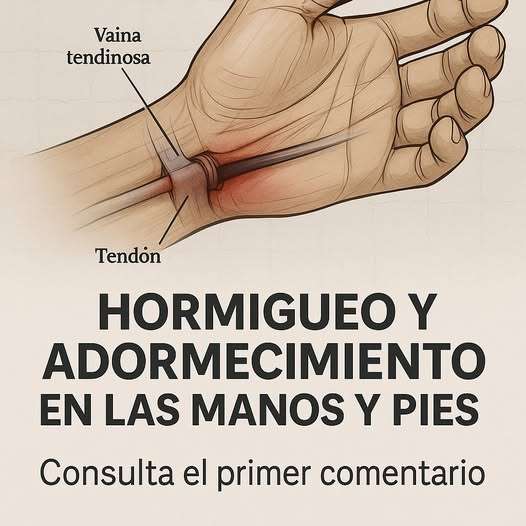
- Carpal Tunnel Syndrome: This condition involves compression of the median nerve as it travels through the wrist. It typically causes numbness and tingling in the thumb, index, middle, and part of the ring finger, often worsening at night. 🔧
- Cubital Tunnel Syndrome: Here, the ulnar nerve (your "funny bone" nerve) gets compressed at the elbow. This leads to symptoms in the ring and little fingers, frequently noticed when bending the elbow for long periods, like while talking on the phone or sleeping.
- Poor Posture: Slouching at a desk or hunching shoulders forward can compress nerves in the neck (brachial plexus) that travel down to the hands.
2. Nutritional Deficiencies: Nerves require specific vitamins to function correctly. Deficiencies in Vitamin B12, Vitamin B6, and Vitamin E can lead to nerve damage (neuropathy) and persistent paresthesia. 🥦
3. Underlying Medical Conditions: Sometimes, tingling hands are a symptom of a broader systemic issue.
- Diabetes: High blood sugar levels can damage nerves over time, leading to diabetic neuropathy, which often starts in the hands and feet.
- Thyroid Disorders: Both hypothyroidism and hyperthyroidism can cause nerve-related symptoms, including tingling and numbness.
- Autoimmune Diseases: Conditions like rheumatoid arthritis or lupus can cause inflammation that puts pressure on nerves.
- Raynaud's Phenomenon: This affects blood circulation, causing fingers to become cold, numb, and change color in response to cold or stress. ❄️
If your hand numbness is sudden, severe, accompanied by weakness, confusion, or affects one side of your body, see a doctor immediately, as it could be a sign of a stroke or other serious neurological event.
Top Natural Remedies and Lifestyle Adjustments 🌿
For chronic, non-emergency hand paresthesia, several natural approaches can provide significant relief by addressing inflammation, improving circulation, and relieving nerve pressure.
1. Ergonomic Optimization: Adjust your workspace! Ensure your wrists are straight and your elbows are at a 90-degree angle while typing. Use wrist rests and consider an ergonomic keyboard or mouse. Take frequent breaks to stretch and shake out your hands. 💻
2. Targeted Stretching and Exercises: Gentle stretching can relieve pressure on nerves and tendons.
- Wrist Flexor/Extensor Stretch: Hold your arm out with palm facing down. Gently pull your fingers back toward your body with the other hand. Hold for 15-30 seconds. Repeat 3-5 times.
- Nerve Gliding Exercises: Specific, gentle movements (like the median nerve glide) can help nerves move more freely through tight spaces. Consult a physical therapist for proper guidance.
3. Anti-Inflammatory Diet: Incorporate foods rich in omega-3 fatty acids (salmon, walnuts), antioxidants (berries, leafy greens), and magnesium (almonds, spinach). Reduce processed foods and sugar, which can exacerbate inflammation. 🥗
4. Supplementation (Under Guidance): If a deficiency is suspected, supplementing with B-complex vitamins, Alpha-lipoic acid (a powerful antioxidant for nerves), or Magnesium may be beneficial. Always consult with a healthcare professional before starting any new supplement regimen.
5. Mind-Body Techniques: Stress can amplify pain and tension. Practices like yoga, meditation, or deep breathing can reduce overall muscle tension and improve your pain perception. 🧘♀️
6. Temperature Therapy: Alternating warm and cool compresses on the affected area can stimulate blood flow and reduce inflammation. A warm bath before bed can also relax muscles and ease nighttime symptoms.
Conclusion: Taking Proactive Control of Your Hand Health ✨
Frequent episodes of your hands falling asleep are more than just a nuisance—they are important messages from your nervous system. While the causes can range from simple repetitive motions to indicators of broader health conditions, the path to relief often begins with mindful observation and proactive lifestyle changes. We've explored how ergonomics, targeted nutrition, specific stretches, and stress management can serve as powerful, natural tools to address nerve compression and inflammation.
The key takeaway is to listen to your body. If simple adjustments don't bring improvement, or if symptoms worsen, seeking professional medical advice is a crucial step to rule out or manage any underlying conditions. By understanding the potential causes and implementing these practical, natural strategies, you can take meaningful steps toward restoring comfort, sensation, and function to your hands, allowing you to grasp life's moments without interruption. 🙌
Deja una respuesta