Do Your Hands Frequently Fall Asleep? Discover What Might Be Behind It, the Associated Diseases, and the Best Natural Remedies
 Espanol
Espanol
Have you ever experienced that unsettling sensation of your hand "falling asleep"? 🫢 That sudden wave of pins and needles, numbness, or a temporary loss of feeling can range from a mild annoyance to a concerning symptom. While occasional hand numbness is often harmless, frequent episodes may be your body's way of signaling an underlying issue. This comprehensive guide will explore the common and serious causes behind this phenomenon, the diseases it can be associated with, and offer practical, natural remedies to help you regain comfort and control. Let's unravel the mystery behind those sleepy hands and empower you with knowledge for better nerve health. 🧠🤲
What Does It Mean When Your Hand "Falls Asleep"?
The medical term for this sensation is paresthesia. It occurs when sustained pressure is applied to a nerve, disrupting its normal signaling to the brain. Think of it like sitting on a garden hose—the water (or in this case, nerve signals) can't flow properly. The tingling or "pins and needles" feeling is often the nerve's response once the pressure is relieved and blood flow returns. This is usually temporary. However, chronic or recurrent hand numbness, especially without obvious pressure, warrants closer attention as it can point to systemic or neurological conditions.
Common Culprits: Everyday Causes of Hand Numbness
Often, the cause is mechanical and related to posture or habits. Identifying and modifying these can bring significant relief.
- Poor Sleeping Postures: 🛌 Sleeping with your wrist bent under your head or body can compress the nerves in your arm for hours.
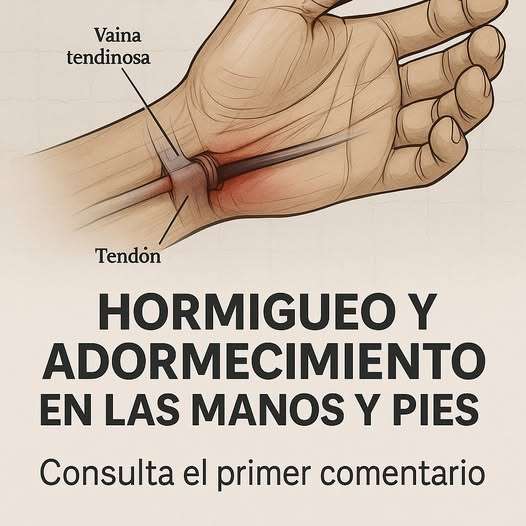
- Repetitive Strain Injuries (RSI): 🖱️ Constant typing, using tools, or any repetitive motion can inflame tendons and compress nerves, particularly in the wrist (carpal tunnel).
- Prolonged Pressure: Leaning on your elbows or keeping your arms in a fixed position for too long can directly impinge nerves like the ulnar nerve (your "funny bone" nerve).
- Vitamin Deficiencies: 🥦 A lack of essential B vitamins (especially B12, B6, and B1) is crucial for nerve health and function.
- Dehydration and Electrolyte Imbalance: 💧 Proper fluid and mineral balance (sodium, potassium, magnesium) are essential for nerve conduction.
Associated Diseases: When Numbness is a Warning Sign
Frequent hand paresthesia can sometimes be a symptom of a more serious medical condition. It is crucial to consult a healthcare professional for an accurate diagnosis if you experience persistent symptoms.
- Carpal Tunnel Syndrome (CTS): 👩💼 This is one of the most common nerve compression disorders. It involves the median nerve at the wrist and often causes numbness in the thumb, index, middle, and part of the ring finger, frequently worsening at night.
- Cervical Radiculopathy (Pinched Nerve in the Neck): A herniated disc or arthritis in the cervical spine can irritate the nerves that travel down to your hands, causing numbness, weakness, or pain.
- Diabetes and Diabetic Neuropathy: 🩸 Chronically high blood sugar levels can damage nerves throughout the body, often starting in the hands and feet (a "stocking and glove" pattern).
- Raynaud's Phenomenon: ❄️ This condition causes extreme vasoconstriction in response to cold or stress, leading to numbness and color changes (white, blue, then red) in the fingers.
- Thyroid Disorders: ⚖️ Both hypothyroidism and hyperthyroidism can lead to fluid retention and nerve compression, or directly affect nerve function.
- Multiple Sclerosis (MS) and Other Neurological Conditions: These autoimmune diseases affect the central nervous system and can cause various paresthesias as an early symptom.
Your Action Plan: The Best Natural Remedies and Practical Tips
Addressing frequent hand numbness often involves lifestyle adjustments and natural supportive strategies. Always combine these with professional medical advice.
1. Ergonomic Optimization: 🪑 Set up your workspace so your wrists are straight and your elbows are at a 90-degree angle. Use ergonomic keyboards, mouse pads with wrist rests, and take frequent breaks to stretch.
2. Targeted Stretching and Exercises: 💪
- Wrist Flexor/Extensor Stretch: Hold your arm out, palm up. Gently pull your fingers down toward the floor with the other hand. Hold for 30 seconds. Repeat with palm facing down, pulling fingers back.
- Nerve Gliding Exercises: These gentle movements can help "floss" the median nerve through the carpal tunnel. (Search for "median nerve glide" under professional guidance).
- Strengthening: Use a stress ball or therapy putty to improve the muscles supporting your wrist.
3. Anti-Inflammatory Nutrition: 🥗 Incorporate foods rich in omega-3s (fatty fish, flaxseeds), antioxidants (berries, leafy greens), and magnesium (almonds, spinach, avocados). Turmeric and ginger are excellent natural anti-inflammatories.
4. Supplement Support (Consult Your Doctor): 💊 Consider high-quality supplements like Vitamin B Complex, Alpha-Lipoic Acid (a potent antioxidant for nerves), and Magnesium Glycinate to support nerve function and reduce inflammation.
5. Mindful Posture and Sleep Hygiene: 🧘♀️ Be conscious of your posture during the day. At night, try sleeping on your back with your arms in a neutral position, or use a wrist splint to keep your wrist straight.
6. Temperature Therapy: 🌡️ For immediate relief from inflammation, apply an ice pack wrapped in a towel for 15 minutes. For stiffness or Raynaud's, warm compresses or paraffin wax baths can improve circulation.
When to Seek Immediate Medical Attention ⚠️
While natural remedies are helpful, certain symptoms require prompt evaluation. Seek immediate medical care if hand numbness is accompanied by: sudden weakness or paralysis, confusion, slurred speech, facial drooping (signs of stroke), loss of bowel or bladder control, or if the numbness follows a head, neck, or back injury.
Conclusion: Taking Proactive Control of Your Nerve Health
Experiencing your hands falling asleep frequently is more than just a quirky bodily function—it's a communication from your nervous system. 🧬 By understanding the potential causes, from simple posture issues to signs of associated diseases, you are now equipped to take informed action. Start by implementing the practical ergonomic and natural remedies discussed, such as strategic stretching, anti-inflammatory nutrition, and mindful posture. Remember, the most crucial step is listening to your body and partnering with a healthcare professional for persistent symptoms to rule out serious conditions. Taking a proactive, holistic approach can significantly improve your comfort, functionality, and long-term nerve health, allowing you to live life without constant interruptions from those mysterious "sleepy" sensations. Here's to steady, sensation-filled hands! ✨👐
Deja una respuesta