Do Your Hands Frequently Fall Asleep? Find Out What May Be Behind It, Associated Conditions, and the Best Natural Remedies
 Espanol
Espanol
Do Your Hands Frequently Fall Asleep? Find Out What May Be Behind It, Associated Conditions, and the Best Natural Remedies
Have you ever experienced that unsettling sensation of numbness, tingling, or "pins and needles" in your hands? 🤚 It's a common phenomenon often described as your hand "falling asleep." While occasional episodes are usually harmless, frequent occurrences can be a signal from your body that something needs attention. This article will delve into the potential causes behind this perplexing sensation, explore associated health conditions you should be aware of, and provide a comprehensive guide to effective, natural remedies. 🧘♂️💚 Our goal is to empower you with knowledge and practical steps to improve your nerve health and overall well-being.
Understanding the "Pins and Needles" Sensation 🧠
The medical term for this feeling is paresthesia. It occurs when there is sustained pressure on a nerve, disrupting its normal signaling to the brain. Think of it like sitting on your foot—the nerve pathway gets compressed. When the pressure is relieved, the nerve "wakes up," resulting in that familiar, sometimes uncomfortable, tingling rush. However, when this happens frequently in your hands without obvious pressure, it points to a more consistent irritation or compression of the nerves leading to your extremities, often in the neck, shoulder, or wrist.
Potential Causes and Associated Conditions ⚠️
Frequent hand numbness is rarely a diagnosis in itself but rather a symptom of an underlying issue. Identifying the root cause is the first step toward effective management. Here are the most common culprits:
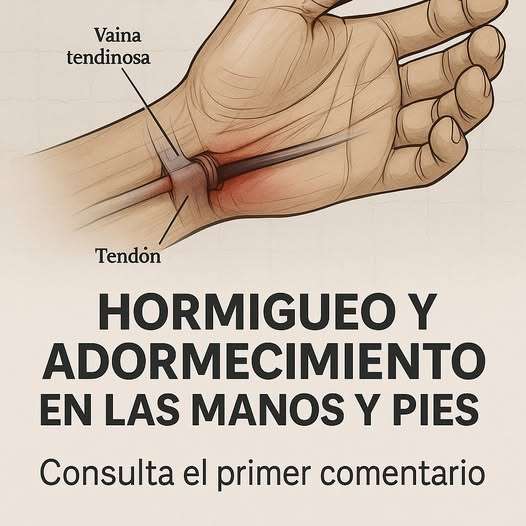
1. Repetitive Strain and Nerve Compression: Modern lifestyles are a major contributor. Prolonged typing, smartphone use, or repetitive manual tasks can lead to conditions like Carpal Tunnel Syndrome (compression of the median nerve in the wrist) and Cubital Tunnel Syndrome (involving the ulnar nerve at the elbow).
2. Spinal Issues: Problems in your cervical spine (neck), such as a herniated disc, arthritis, or general degeneration, can impinge on the nerves that travel down your arms. This is why poor posture, especially "text neck," is a significant risk factor.
3. Systemic Health Conditions: Frequent paresthesia can be an early warning sign of broader health issues. Key conditions associated with hand numbness include:
- Diabetes: High blood sugar can lead to diabetic neuropathy, a type of nerve damage.
- Vitamin Deficiencies: Particularly a lack of B vitamins (B1, B6, B12) and Vitamin E, which are crucial for nerve health.
- Thyroid Disorders: Hypothyroidism can cause fluid retention and nerve pressure.
- Autoimmune Diseases: Conditions like Rheumatoid Arthritis or Lupus can cause inflammation that affects nerves.
4. Lifestyle Factors: Dehydration, excessive alcohol consumption, and smoking can all impair circulation and nerve function over time.
Top Natural Remedies and Practical Solutions 🌿
While medical consultation is vital for persistent symptoms, many natural strategies can alleviate discomfort and support nerve health. Integrate these practical tips into your daily routine:
Ergonomics and Posture Are Key: Set up your workstation to support a neutral wrist and neck position. Take micro-breaks every 30 minutes to stretch and shake out your hands. Consider using ergonomic keyboards, mouse pads with wrist rests, and adjusting your monitor to eye level.
Targeted Stretches and Exercises: Simple movements can work wonders.
- Wrist Flexor/Extensor Stretch: Hold your arm out, pull fingers back gently (hold 15-30 sec), then push them down gently. Repeat 3-5 times per hand.
- Nerve Gliding Exercises: Gentle, specific movements (like the "median nerve glide") can help mobilize a compressed nerve. A physical therapist can teach you the proper form.
- Yoga and Tai Chi: These practices improve flexibility, circulation, and body awareness, addressing postural causes.
Anti-Inflammatory Nutrition: Your diet directly impacts inflammation and nerve health. Focus on:
- Omega-3 Fatty Acids: Found in fatty fish (salmon, mackerel), flaxseeds, and walnuts. 🐟
- Magnesium-Rich Foods: Such as leafy greens, nuts, seeds, and avocados. This mineral supports nerve transmission.
- Antioxidant Powerhouses: Berries, turmeric, and ginger help combat oxidative stress that can damage nerves.
Supportive Supplements (Consult Your Doctor First): Consider:
- Alpha-Lipoic Acid: A potent antioxidant shown to benefit nerve symptoms.
- B-Complex Vitamins: Especially active forms of B12 (methylcobalamin) and B6.
- Magnesium Glycinate: A highly absorbable form to support muscle and nerve relaxation.
Heat and Cold Therapy: A warm compress or paraffin wax bath can relax muscles and improve blood flow. For acute inflammation, a cold pack wrapped in a towel can reduce swelling around a nerve. Experiment to see which brings more relief. 🧊🔥
Mind-Body Connection: Stress exacerbates muscle tension and inflammation. Practices like deep breathing, meditation, or even regular walks in nature can lower your overall stress load, indirectly benefiting nerve health. 😌
Conclusion: Taking Proactive Control of Your Nerve Health ✨
Frequent hand numbness is more than a minor nuisance—it's a communication from your nervous system. By understanding the potential causes, from repetitive strain and poor posture to underlying conditions like vitamin deficiencies or diabetes, you are equipped to have a more informed conversation with a healthcare professional. Remember, listening to your body early is crucial. The natural remedies outlined—ergonomic adjustments, targeted stretches, an anti-inflammatory diet, and stress management—form a powerful, holistic approach to not only alleviate symptoms but also promote long-term nerve resilience and vitality. Start by integrating one or two changes, observe how your body responds, and build from there. Your journey to comfortable, tingle-free hands begins with a single, conscious step today. 🙌
Deja una respuesta