Do Your Hands Often Fall Asleep? Discover the Possible Causes, Associated Conditions, and Best Natural Remedies
 Espanol
Espanol
Do Your Hands Often Fall Asleep? Discover the Possible Causes, Associated Conditions, and Best Natural Remedies
That familiar, unsettling sensation of pins and needles, numbness, or a "dead" feeling in your hands—often described as your hand "falling asleep"—is something most people experience occasionally. 🖐️ While it's usually temporary and harmless, a frequent or persistent occurrence can be a red flag from your body, signaling underlying issues that deserve your attention. This comprehensive guide will delve into the common and not-so-common reasons behind this phenomenon, explore associated health conditions, and provide you with actionable, natural remedies to restore comfort and sensation. Our goal is to empower you with knowledge to understand your body's signals and take proactive steps toward better nerve health. 🧠✨
Understanding the "Pins and Needles" Sensation 🧵
Medically known as paresthesia, the feeling of a limb "falling asleep" is primarily a nerve communication issue. Nerves are like electrical cables transmitting signals between your brain and the rest of your body. When a nerve is compressed, irritated, or deprived of blood flow—even for a short period—these signals get disrupted. The initial numbness is the nerve's function being suppressed. As pressure is relieved and blood flow returns, the nerve "wakes up," often resulting in the tingling, prickling sensation as signals fire erratically. This is usually a temporary mechanical issue. However, chronic paresthesia requires a deeper look.
Common Culprits: Why Your Hands Might Fall Asleep 🤲
Often, the cause is related to posture or daily habits. Identifying these can be the first step to relief.
- Sleeping Position: Curling your wrists or sleeping with your arms under your head or body compresses the nerves and blood vessels in your arms and wrists.
- Repetitive Strain: Prolonged, repetitive movements, especially those involving forceful gripping or awkward wrist angles (like typing, using tools, or playing an instrument), can inflame tissues and press on nerves. 🎹🛠️
- Prolonged Pressure: Leaning on your elbows or having your wrists bent for extended periods while reading or using a phone can directly compress the ulnar or median nerves.
- Poor Posture: Slouching or having rounded shoulders can shorten the neck and shoulder muscles, leading to nerve compression further up the pathway (in the neck or thoracic outlet).
Associated Medical Conditions to Consider 🩺
When the sensation is frequent, occurs without obvious pressure, or is accompanied by other symptoms, it may be linked to an underlying condition. Always consult a healthcare professional for an accurate diagnosis.
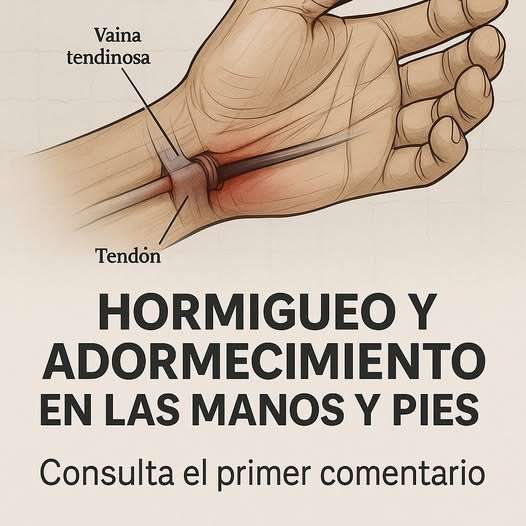
- Carpal Tunnel Syndrome (CTS): This is the most well-known cause. It involves compression of the median nerve as it passes through the carpal tunnel in your wrist. Symptoms often include numbness and tingling in the thumb, index, middle, and part of the ring finger, frequently worsening at night. 🎯
- Cervical Radiculopathy (Pinched Nerve in the Neck): Problems in the cervical spine—like a herniated disc or arthritis—can irritate the nerve roots that supply the arms and hands, causing symptoms that radiate downward.
- Diabetes: High blood sugar levels can, over time, damage nerves throughout the body, a condition called diabetic neuropathy. This often causes symmetric numbness and tingling that begins in the feet and hands ("stocking and glove" distribution).
- Vitamin Deficiencies: Vitamins B12, B6, and E are crucial for nerve health. Deficiencies, especially in B12, can lead to neuropathy and paresthesia.
- Thoracic Outlet Syndrome (TOS): This involves compression of nerves or blood vessels between your collarbone and first rib. It can cause numbness in the hands and fingers, along with arm or shoulder pain.
- Hypothyroidism: An underactive thyroid can lead to fluid retention and tissue swelling, which may put pressure on nerves.
Best Natural Remedies and Preventative Strategies 🌿
For occasional or mild symptoms, or as a complement to medical treatment, these natural approaches can be highly effective.
1. Ergonomic and Postural Adjustments 🪑
This is your first line of defense. Ensure your workspace supports a neutral wrist and spine position. Use ergonomic keyboards, mouse pads with wrist rests, and adjust your chair and monitor height. While sleeping, try to keep your wrists straight; wearing a lightweight wrist splint at night can be a game-changer for CTS symptoms.
2. Stretching and Strengthening Exercises 💪
Gentle, regular exercises can relieve pressure and improve nerve glide.
- Wrist Flexor/Extensor Stretch: Extend your arm with palm facing down, gently pull your fingers back toward you with the other hand. Hold for 15-30 seconds. Repeat with palm facing up, pulling fingers down. 🔁
- Nerve Gliding Exercises: Specific, gentle movements for the median and ulnar nerves can help them move more freely through their pathways. (A physical therapist can teach you these).
- Posture-Correcting Exercises: Strengthen your upper back and shoulder retractors (like rows and scapular squeezes) to counteract slouching.
3. Anti-Inflammatory Nutrition 🥗
Your diet plays a key role in nerve health and reducing inflammation. Incorporate foods rich in Omega-3 fatty acids (like salmon, flaxseeds, walnuts), antioxidants (berries, leafy greens), and magnesium (almonds, spinach, avocados). Consider supplementing with Vitamin B Complex, especially B12 (methylcobalamin form) after consulting with your doctor. Stay well-hydrated to maintain healthy tissue fluid balance. 💧
4. Mindful Stress Reduction and Movement 🧘♀️
Chronic stress can exacerbate muscle tension and pain perception. Practices like yoga and tai chi combine gentle movement, stretching, and mindfulness, which are excellent for improving circulation, posture, and reducing overall tension. Even simple, frequent breaks to shake out your hands and take deep breaths during work can make a significant difference.
5. Temperature Therapy 🌡️
For acute discomfort or stiffness, alternating warm and cold compresses can be helpful. Use a warm compress to relax muscles and improve blood flow for 15-20 minutes. Follow with a cold pack (wrapped in a towel) for 10-15 minutes to reduce any inflammation. A warm Epsom salt bath before bed can also soothe muscles and promote relaxation.
When to See a Doctor ⚠️
While self-care is powerful, it's crucial to seek professional medical advice if you experience: persistent or worsening numbness/tingling, weakness in your hand or grip (you start dropping objects), symptoms that affect both sides of your body, or if the sensation is accompanied by pain, dizziness, or problems with coordination. Early diagnosis of conditions like diabetes or cervical spine issues leads to more effective management.
Conclusion and Final Thoughts 💡
The occasional sleepy hand is often just a nudge from your body to change position. However, when it becomes a frequent visitor, it's a signal worth investigating. 🕵️♀️ We've explored how common habits like poor posture and repetitive motion can compress nerves, and how underlying conditions from carpal tunnel syndrome to vitamin deficiencies might be at play. The path to relief typically involves a combination of mindful ergonomics, targeted stretches, nerve-supportive nutrition, and stress management. Remember, your body communicates through sensations—listening to them and taking informed, proactive steps is the cornerstone of maintaining your musculoskeletal and nervous system health. Start by integrating one or two of the natural remedies discussed, and don't hesitate to partner with a healthcare provider for a comprehensive evaluation if symptoms persist. Here's to waking up your awareness and finding lasting comfort in your hands! 🙌
Deja una respuesta