Do Your Hands Often Fall Asleep? Discover the Possible Causes, Related Conditions, and Best Natural Remedies
 Espanol
Have you ever experienced that unsettling sensation of your hand falling asleep, feeling like pins and needles or even going numb? 🫣 It’s a common occurrence that can range from a minor, fleeting annoyance to a persistent issue that disrupts your daily life. This phenomenon, medically known as paresthesia, is often harmless but can sometimes signal an underlying health condition. In this article, we will explore the possible causes behind this strange sensation, discuss related medical conditions, and provide you with the best natural remedies to find relief and improve your nerve health. Let's dive in and uncover why your hands might be falling asleep and what you can do about it.
Espanol
What Does It Mean When Your Hand "Falls Asleep"?
The sensation of a limb "falling asleep" is called paresthesia. It's typically described as a feeling of tingling, prickling, numbness, or a "pins and needles" sensation. This happens when sustained pressure is applied to a nerve, disrupting its ability to send signals to the brain. Think of it like sitting on your foot for too long—the nerve pathway gets temporarily compressed. When the pressure is relieved, the nerve "wakes up," often with a sometimes-uncomfortable tingling as blood flow returns and signals resume. While occasional, brief episodes are normal, frequent or prolonged occurrences warrant a closer look. 🔍
Common Causes of Hands Falling Asleep
Understanding the root cause is the first step toward finding a solution. The culprits can range from simple positional habits to more complex health issues.
Poor Posture and Positioning 😴
This is the most frequent cause. Sleeping with your wrist bent under your pillow or head, sitting with your elbows resting heavily on a desk, or holding your phone for extended periods can compress the nerves in your arm and hand. The ulnar nerve (funny bone nerve) and the median nerve are particularly vulnerable to this kind of pressure.
Repetitive Strain Injuries (RSI) 💻
Activities that involve repetitive motions of the hands and wrists—such as typing, using tools, or playing an instrument—can lead to inflammation. This inflammation can, in turn, swell the tissues surrounding the nerves, putting pressure on them and causing paresthesia. This is a hallmark of conditions like carpal tunnel syndrome.
Vitamin Deficiencies 🥗
Your nerves require specific vitamins to function correctly. A deficiency in Vitamin B12 is a well-known cause of nerve damage and paresthesia. Other B vitamins, such as B1, B6, and B9 (folate), also play crucial roles in nerve health. Ensuring a balanced diet is key to preventing deficiency-related symptoms.
Underlying Medical Conditions to Consider
If the numbness and tingling are persistent, severe, or accompanied by other symptoms, it could be related to a medical condition. It is crucial to consult a healthcare professional for an accurate diagnosis if you suspect any of the following.
Carpal Tunnel Syndrome 🎯
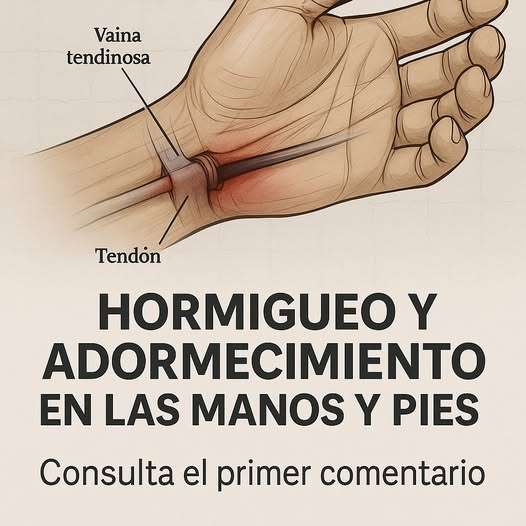
This is a leading cause of hand paresthesia. It occurs when the median nerve, which runs from your forearm into your palm, becomes compressed at the wrist. Symptoms often include tingling, numbness, and weakness in the thumb, index, and middle fingers, frequently worsening at night.
Diabetes 🩺
High blood sugar levels over time can damage nerves throughout the body, a condition known as diabetic neuropathy. This often affects the hands and feet, causing numbness, tingling, burning, or pain. Proper blood sugar management is essential to prevent or slow this progression.
Thyroid Disorders 🦋
An underactive thyroid (hypothyroidism) can sometimes lead to peripheral neuropathy, resulting in tingling and numbness in the extremities. Treating the underlying thyroid condition often helps alleviate these nerve-related symptoms.
Cervical Radiculopathy (Pinched Nerve in the Neck) 👩⚕️
Problems in your neck, such as a herniated disc or arthritis, can irritate or compress the nerves that travel down your arms to your hands. This can cause paresthesia, pain, or weakness anywhere along the nerve's path, from your neck to your fingertips.
Effective Natural Remedies and Prevention Strategies
For occasional or mild paresthesia, several natural approaches can provide significant relief and help prevent future episodes.
1. Ergonomic Adjustments and Stretching 🧘♀️
Making simple changes to your workspace and daily habits can work wonders. Ensure your chair, desk, and computer monitor are set up to promote a neutral wrist position. Take frequent breaks to stretch your hands, wrists, and neck. Simple exercises like wrist flexor and extensor stretches can improve flexibility and reduce pressure on nerves.
2. Anti-Inflammatory Diet 🍍
Incorporating foods with natural anti-inflammatory properties can help reduce nerve-irritating swelling. Focus on a diet rich in:
- Omega-3 fatty acids: Found in fatty fish (salmon, mackerel), walnuts, and flaxseeds.
- Antioxidants: Abundant in berries, dark leafy greens, and brightly colored vegetables.
- Turmeric and Ginger: Powerful natural anti-inflammatories.
3. Stress Management and Improved Sleep Hygiene 😌
Chronic stress can exacerbate muscle tension and inflammation, potentially worsening nerve compression. Practices like meditation, deep breathing exercises, and yoga can be highly effective. Additionally, pay attention to your sleeping position. Try to avoid bending your wrists and consider wearing a wrist splint at night to keep your hand in a neutral position, which is especially helpful for carpal tunnel symptoms.
4. Supplementation (After Consulting Your Doctor) 💊
If you suspect a vitamin deficiency, ask your doctor for a blood test. They may recommend supplements for:
- Vitamin B Complex: Essential for nerve repair and function.
- Magnesium: This mineral helps with nerve transmission and can ease muscle cramps.
- Alpha-Lipoic Acid: A potent antioxidant that has shown promise in treating neuropathic symptoms.
Conclusion: Taking Control of Your Hand Health
While the occasional "sleeping" hand is usually nothing to worry about, listening to your body is vital. Persistent numbness and tingling are your body's way of signaling that something may be off. We've explored how factors from everyday posture to conditions like diabetes and carpal tunnel syndrome can be at play. The good news is that by adopting proactive strategies—such as ergonomic improvements, a nerve-supportive diet, targeted stretches, and stress reduction—you can often find significant relief. Remember, if your symptoms are frequent, severe, or causing you concern, seeking professional medical advice is the most important step you can take. Your hands are invaluable tools; taking care of their health ensures they continue to serve you well for years to come. 🙌
Deja una respuesta