Do Your Hands Often Fall Asleep? Find Out What May Be Behind It, Associated Conditions, and the Best Natural Remedies
 Espanol
Espanol
Have you ever experienced that unsettling sensation of your hand suddenly "falling asleep"? 🖐️ That familiar tingling, prickling, or temporary numbness can range from a minor annoyance to a frequent concern. Medically known as paresthesia, this phenomenon is often harmless and short-lived, but when it occurs regularly, it might be your body's way of signaling an underlying issue. In this article, we'll explore the common and not-so-common reasons behind why your hands often fall asleep, delve into associated health conditions you should be aware of, and provide you with a comprehensive guide to the best natural remedies for relief and prevention.
Understanding the "Pins and Needles" Sensation 🤔
Before diving into causes, it's helpful to understand what's actually happening. The feeling of a limb "falling asleep" is primarily due to nerve compression or temporary reduced blood flow. Nerves are like electrical wiring that carries signals between your brain and the rest of your body. When pressure is applied to a nerve—often from posture or repetitive motions—it disrupts these signals, leading to numbness. Once the pressure is relieved, blood flow returns, and the nerves start firing again, causing that characteristic "pins and needles" feeling as they reactivate.
Common Culprits: Why Your Hands Fall Asleep 🎯
Most often, temporary hand paresthesia is linked to everyday habits and positions. Here are the most frequent offenders:
- Sleeping Posture: Sleeping with your arm pinned under your head or body compresses nerves and blood vessels in your shoulder, elbow, or wrist.
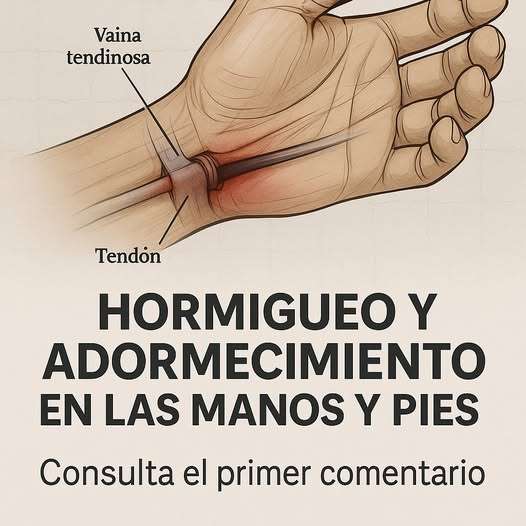
- Repetitive Strain: Prolonged typing, using tools, or playing an instrument can inflame tendons, which then swell and press on nearby nerves, especially in the wrist.
- Poor Ergonomics: An improperly set up workstation that forces your wrists into an awkward angle while typing or using a mouse is a major contributor.
- Direct Pressure: Leaning on your elbows for extended periods or wearing tight bracelets/watches can compress superficial nerves.
Addressing these daily habits is often the first and most effective step toward resolution. Being mindful of your posture during the day and while sleeping is crucial. 🛌
Associated Conditions: When to Pay Closer Attention ⚕️
If adjusting your habits doesn't help, or if the numbness is accompanied by weakness, pain, or occurs without an obvious trigger, it could be related to a medical condition. It's important to consult a healthcare professional for a proper diagnosis. Potential conditions include:
- Carpal Tunnel Syndrome: This is the most well-known nerve entrapment syndrome. It occurs when the median nerve, which runs through a narrow passageway in your wrist (the carpal tunnel), becomes compressed. Symptoms often include numbness and tingling in the thumb, index, and middle fingers. 👩💻
- Cervical Radiculopathy (Pinched Nerve in the Neck): Problems in your cervical spine—like a herniated disc or arthritis—can irritate the nerves that extend down to your hands, causing symptoms far from the source.
- Diabetes: High blood sugar levels over time can damage nerves throughout the body, a condition called diabetic neuropathy. This often causes symmetrical numbness and tingling that begins in the feet and hands.
- Vitamin Deficiencies: Deficiencies in B vitamins (particularly B12, B6, and B1) are essential for healthy nerve function. A lack can lead to neuropathy.
- Thyroid Disorders: An underactive thyroid (hypothyroidism) can sometimes lead to fluid retention and tissue swelling that puts pressure on nerves.
- Raynaud's Phenomenon: This condition causes small blood vessels in the extremities to spasm in response to cold or stress, limiting blood flow and causing numbness and color changes in the fingers.
Best Natural Remedies and Preventive Strategies 🌿
Alongside medical advice, several natural approaches can support nerve health, reduce inflammation, and improve circulation.
1. Ergonomic Optimization: Set up your desk so your wrists are in a neutral, straight position. Use an ergonomic keyboard and mouse, and take micro-breaks every 30 minutes to stretch. 🖥️
2. Targeted Stretching and Exercise: Gentle exercises can relieve pressure and strengthen supportive muscles.
- Wrist Flexor/Extensor Stretch: Hold your arm out straight, gently pull your fingers back toward you, then down, holding each stretch for 15-30 seconds.
- Nerve Gliding Exercises: These gentle movements help the median nerve move more freely through the carpal tunnel. (Consult a physiotherapist for proper guidance).
- Yoga and Tai Chi: These practices improve flexibility, posture, and circulation, and reduce stress—a common aggravator of many conditions.
3. Anti-Inflammatory Nutrition: Your diet plays a key role in fighting inflammation. Focus on:
- Omega-3 Fatty Acids: Found in fatty fish (salmon, mackerel), flaxseeds, and walnuts. 🐟
- Antioxidant-Rich Foods: Berries, dark leafy greens, and turmeric.
- B Vitamins: Nutritional yeast, eggs, legumes, and lean meats. Consider a supplement if deficient, but avoid excessive B6.
- Stay Hydrated: Proper hydration ensures optimal blood volume and tissue health.
4. Heat and Cold Therapy: A warm compress or paraffin wax bath can relax muscles and improve blood flow to stiff joints. If there's acute swelling, a cold pack can help reduce inflammation. 🔥❄️
5. Stress Management: Chronic stress tenses muscles and can exacerbate nerve compression. Incorporate deep breathing, meditation, or mindfulness into your daily routine. 🧘♀️
6. Consider Herbal Support: Some herbs are known for their neuroprotective and anti-inflammatory properties. Always consult a professional before starting any supplement. Options may include:
- Turmeric (Curcumin): A potent anti-inflammatory.
- Alpha-Lipoic Acid: An antioxidant shown to benefit diabetic neuropathy.
- Evening Primrose Oil: Contains gamma-linolenic acid (GLA), which may help with nerve function.
Conclusion: Taking Proactive Control of Your Hand Health ✨
While the occasional "sleepy hand" is usually nothing to worry about, frequent episodes deserve your attention. We've explored how this common sensation stems from nerve compression or reduced blood flow, often triggered by posture or repetitive movements. More importantly, we've seen that it can sometimes be a symptom of underlying conditions like Carpal Tunnel Syndrome, diabetes, or nutrient deficiencies, making professional evaluation essential for persistent cases.
The path to relief often involves a combination of mindful habit change, ergonomic adjustments, targeted stretching, and an anti-inflammatory diet. By integrating the natural remedies discussed—from wrist exercises and omega-3s to stress management—you can actively support your nerve health and circulation. Listen to your body's signals; those tingling hands might be prompting you to move, adjust, and nourish yourself differently. Take proactive steps today for more comfortable and sensation-free days tomorrow. 🤝
Deja una respuesta