Do Your Hands Often Fall Asleep? Find Out What May Be Behind It, Associated Diseases, and the Best Natural Remedies
 Espanol
Espanol
Do Your Hands Often Fall Asleep? Find Out What May Be Behind It, Associated Diseases, and the Best Natural Remedies
That familiar, unsettling sensation of pins and needles, numbness, or a "sleeping" feeling in your hands is something most people experience occasionally. 🧤 But when it happens frequently or disrupts your daily life, it's a signal from your body worth paying attention to. This tingling sensation, medically known as *paresthesia*, can range from a temporary, harmless annoyance to a symptom of an underlying health condition. This article will guide you through the common causes, potential associated diseases, and effective natural remedies to help you regain comfort and sensation in your hands. Let's unravel the mystery behind those sleepy fingers and empower you with practical knowledge. 💡
Understanding the "Pins and Needles": What's Actually Happening?
The sensation of your hand "falling asleep" is primarily a communication issue between your nerves and your brain. Nerves act like electrical wires, transmitting signals of touch, temperature, and pain. When a nerve is compressed or irritated—often from pressure, repetitive motion, or swelling—the signals get mixed up or blocked. This results in the characteristic numbness or tingling. 🪢 It's your body's way of saying, "Hey, you're putting pressure on me!" Most brief episodes resolve quickly once the pressure is relieved. However, persistent or recurrent symptoms suggest the nerve compression or irritation is chronic and needs addressing.
Common Culprits: Everyday Causes of Hand Numbness
Before jumping to conclusions about serious diseases, consider these frequent, lifestyle-related causes:
- Poor Sleeping Posture: Sleeping with your arm bent or trapped under your body can compress nerves in your wrist or elbow for hours.
- Repetitive Strain: Activities like typing, using tools, or playing an instrument can inflame tendons, which then swell and press on nearby nerves. 💻
- Prolonged Pressure: Leaning on your elbows or resting your wrists on a hard desk edge for long periods.
- Vitamin Deficiencies: A lack of B vitamins, particularly B12, B6, and B1, is crucial for nerve health. Deficiencies can lead to nerve damage and paresthesia.
- Dehydration: Inadequate fluid intake can affect electrolyte balance and nerve function, sometimes manifesting as tingling.
Associated Diseases and Medical Conditions 🩺
When hand numbness is frequent, severe, or accompanied by other symptoms, it could indicate a more systemic issue. It is crucial to consult a healthcare professional for an accurate diagnosis if you experience these patterns.
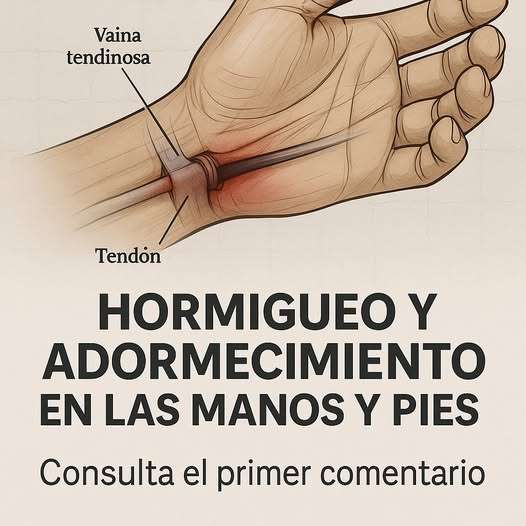
Carpal Tunnel Syndrome (CTS): This is the most well-known entrapment neuropathy. It occurs when the median nerve, which runs through a narrow passageway in your wrist (the carpal tunnel), is compressed. Symptoms typically include tingling, numbness, and weakness in the thumb, index, middle, and part of the ring finger, often worse at night.
Cubital Tunnel Syndrome: Similar to CTS, but it involves the ulnar nerve (your "funny bone" nerve) at the elbow. Compression here causes numbness and tingling in the ring and little fingers. 🤲
Diabetes: High blood sugar levels over time can damage nerves throughout the body, a condition called diabetic neuropathy. It often starts as tingling or numbness in the hands and feet.
Thyroid Disorders: Both hypothyroidism and hyperthyroidism can lead to nerve damage and fluid retention, which may put pressure on nerves.
Rheumatoid Arthritis (RA): This autoimmune disease causes inflammation of the joints. In the wrists and hands, this inflammation can compress nerves, leading to paresthesia.
Vitamin B12 Deficiency: As mentioned, this is a direct cause of nerve damage. It's particularly important for vegans, vegetarians, and older adults to monitor their B12 levels.
Top Natural Remedies and Practical Management Strategies 🌿
Alongside medical advice, many natural approaches can alleviate symptoms and support nerve health.
1. Ergonomic Optimization: Adjust your workspace. Ensure your wrists are in a neutral, straight position while typing. Use ergonomic keyboards, mouse pads with wrist rests, and take frequent breaks to stretch. 🪑
2. Targeted Stretching and Exercises: Gentle stretches for the wrists, forearms, and hands can relieve pressure. Try the "prayer stretch" (pressing palms together) and wrist flexor/extensor stretches. Strengthening exercises for forearm muscles can also provide better support.
3. Anti-Inflammatory Diet: Incorporate foods rich in omega-3 fatty acids (like salmon, flaxseeds), antioxidants (berries, leafy greens), and magnesium (almonds, spinach). Reduce processed foods and sugars that can exacerbate inflammation. 🥗
4. Key Supplement Support: Consider supplements after consulting your doctor. B-Complex vitamins (especially B12, B6, and B1), Alpha-Lipoic Acid (a powerful antioxidant for nerves), and Magnesium can be beneficial for nerve function and reducing inflammation.
5. Mindful Posture and Sleep Hygiene: Be conscious of your posture during the day. At night, try to sleep with your arms straight. Using a wrist splint, especially for suspected CTS, can keep your wrist in a neutral position and prevent bending during sleep. 😴
6. Temperature Therapy: Alternating warm and cold compresses can reduce inflammation and improve circulation. A warm compress can relax muscles, while a cold pack can numb sharp pain and reduce swelling.
7. Stress Reduction Techniques: Chronic stress can amplify pain perception and contribute to muscle tension. Practices like yoga, meditation, and deep breathing can lower overall stress and indirectly benefit nerve symptoms. 🧘♀️
Conclusion: Taking Proactive Steps for Your Hand Health
While occasional hand numbness is usually benign, listening to your body's persistent signals is essential. We've explored how everyday habits, from sleep posture to desk setup, can be significant contributors, as well as the more serious medical conditions that may be at play. The key takeaway is to observe the pattern, context, and accompanying symptoms. Start by implementing the practical, natural remedies outlined here—ergonomic adjustments, targeted nutrition, and mindful stretching. However, if symptoms persist, worsen, or are accompanied by weakness, muscle wasting, or affect other parts of your body, seeking professional medical evaluation is a non-negotiable step. Your hands are vital tools for interaction and expression; investing in their care ensures they remain strong and sensitive for all of life's touches and tasks. 🙌
Deja una respuesta