Do Your Hands Often Go Numb? Discover the Possible Causes, Associated Conditions, and Best Natural Remedies
 Espanol
Have you ever experienced that unsettling sensation of your hands going numb, perhaps while typing at your desk, holding your phone, or even waking up in the middle of the night? 🤔 This common yet often dismissed issue can range from a temporary nuisance to a sign of an underlying health condition. Numbness, or the feeling of "pins and needles" (medically known as paresthesia), in the hands is a signal from your body that deserves attention. In this comprehensive guide, we will explore the possible causes behind this symptom, delve into the associated medical conditions you should be aware of, and uncover the best natural remedies to help you regain comfort and sensation. Let's empower you with the knowledge to understand your body's messages. 💪
Espanol
Understanding Hand Numbness: More Than Just a "Fallen Asleep" Limb
While it's easy to brush off a numb hand as a simple case of poor circulation from an awkward sleeping position, the reasons can be more complex. Numbness occurs when there is interference with the nerve pathways sending signals from your hand to your brain. This disruption can happen due to compression, damage, or systemic diseases affecting the nerves. It’s crucial to distinguish between occasional, fleeting numbness and persistent, recurring episodes. The latter, especially if accompanied by weakness, pain, or other symptoms, warrants a closer look and possibly a consultation with a healthcare professional. 🩺
Common Causes of Frequent Hand Numbness
Let's break down the typical culprits. Often, the issue originates from repetitive activities or localized nerve pressure.
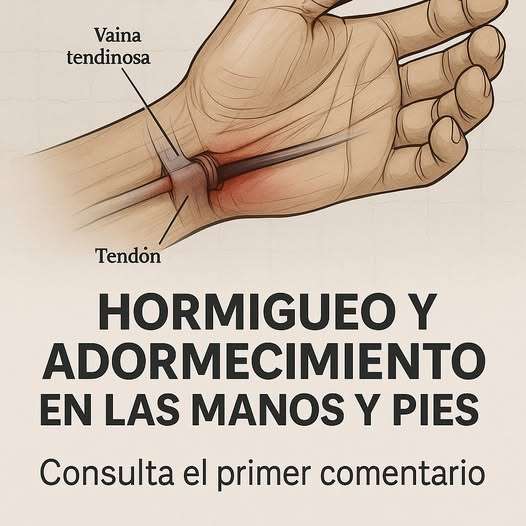
Repetitive Strain Injuries (RSI) and Carpal Tunnel Syndrome: This is one of the most frequent causes. The median nerve, which runs through a narrow passage in your wrist called the carpal tunnel, becomes compressed. This is common in people who perform repetitive motions with their hands, such as typing, using tools, or playing musical instruments. Symptoms often include numbness in the thumb, index, middle, and part of the ring finger. 🎹
Poor Posture and Nerve Compression: How you sit and sleep matters! Slouching at your desk can compress nerves in your neck (cervical radiculopathy), leading to numbness that travels down to your hands. Similarly, sleeping with your wrist bent can put pressure on the ulnar nerve (the "funny bone" nerve), causing numbness in the pinky and ring fingers. 🛌
Vitamin Deficiencies: Your nerves need proper nutrition to function. Deficiencies in key vitamins, particularly B12, B6, and E, can lead to nerve damage (neuropathy) and sensations of numbness. This is especially important for vegetarians, vegans, and older adults. 🥦
Associated Medical Conditions to Consider
Sometimes, hand numbness is a symptom of a broader health issue. Being aware of these conditions is a vital part of taking charge of your health.
Peripheral Neuropathy: This condition involves damage to the peripheral nerves, often causing numbness, tingling, and pain in the hands and feet. A leading cause is diabetes (diabetic neuropathy), but it can also result from autoimmune diseases, infections, or exposure to toxins. 🩸
Autoimmune Diseases: Conditions like rheumatoid arthritis (which causes inflammation in the joints that can pinch nerves) and multiple sclerosis (which affects the central nervous system) frequently list numbness as a primary symptom.
Thyroid Disorders: An underactive thyroid (hypothyroidism) can, over time, lead to peripheral neuropathy and subsequent numbness in the extremities.
Raynaud's Phenomenon: This condition affects blood flow to the fingers and toes, often triggered by cold or stress. It causes the fingers to turn white or blue and feel cold and numb. ❄️
Top Natural Remedies and Lifestyle Adjustments
Before jumping to medical interventions, several effective natural strategies can alleviate or prevent hand numbness. Always discuss these with your doctor, especially if you have an existing condition.
Ergonomic Optimization is Key: Adjust your workspace to ensure your wrists are straight and your hands are at or below elbow level while typing. Use an ergonomic keyboard and mouse, and take frequent breaks to stretch. 💼
Targeted Stretches and Exercises: Incorporate simple wrist and hand stretches into your daily routine. For example, the "prayer stretch" (pressing your palms together) and gentle wrist flexor/extensor stretches can relieve pressure on the median nerve. Strengthening exercises for the forearms can also provide better support. 🤲
Anti-Inflammatory Nutrition: Adopt a diet rich in anti-inflammatory foods to combat nerve irritation. Focus on omega-3 fatty acids (found in fatty fish, flaxseeds, and walnuts), turmeric, ginger, and plenty of antioxidant-rich fruits and vegetables. Reduce processed foods and sugars. 🥗
Strategic Supplementation: Consider high-quality supplements if you suspect deficiencies. Vitamin B Complex, Alpha-Lipoic Acid (a powerful antioxidant for nerve health), and Magnesium (which aids nerve function) can be beneficial under professional guidance. 💊
Mind-Body Techniques for Circulation: Practices like yoga and tai chi improve posture, flexibility, and circulation. Additionally, stress management through meditation or deep breathing can help, as stress can exacerbate conditions like Raynaud's. 🧘♀️
Temperature Therapy: Applying a warm compress to the neck, shoulders, or wrists can relax muscles and improve blood flow, easing nerve compression. For conditions like Raynaud's, keeping your hands warm is essential. 🔥
Conclusion: Taking Proactive Steps Towards Relief
Experiencing frequent hand numbness is your body's way of sending an important message. While it can be triggered by everyday habits like poor ergonomics or repetitive motions, it may also point to conditions that require medical management. The journey to relief begins with awareness and proactive observation—note when the numbness occurs, what activities trigger it, and if other symptoms are present. Start by implementing the practical, natural remedies discussed: optimize your workspace, nourish your body with the right foods, and make stretching a non-negotiable part of your day. However, never hesitate to seek professional medical advice for persistent or worsening symptoms. Your hands are vital tools for interacting with the world; investing in their health and sensation is an investment in your overall quality of life. Let today be the day you take that first step toward comfortable, tingle-free hands! 🌟
Deja una respuesta