Do your hands often go numb? Discover what might be causing it, associated diseases, and the best natural remedies.
 Espanol
Espanol
Do Your Hands Often Go Numb? Discover What Might Be Causing It, Associated Diseases, and the Best Natural Remedies 🤚
That unsettling sensation of pins and needles, a loss of feeling, or a vague tingling in your hands is more than just a minor annoyance—it can be a sign from your body. 🚨 Hand numbness is a common complaint, and while it's often harmless and temporary, it can sometimes signal an underlying health issue that needs attention. This comprehensive guide will walk you through the potential causes, from everyday habits to specific medical conditions, and provide you with a toolbox of practical, natural remedies to help you regain comfort and sensation. Let's unravel the mystery behind those numb fingers and find your path to relief.
Understanding the Sensation: What Is Hand Numbness? 🧠
Medically referred to as paresthesia, numbness is a sensory disturbance that can feel like a lack of sensation, a "falling asleep" feeling, tingling ("pins and needles"), or even a burning sensation. It occurs when there is sustained pressure on a nerve, disrupting its normal signaling to the brain. When this happens in the hands, it's often related to the complex network of nerves that run from your spine, through your shoulders, arms, and wrists, all the way to your fingertips. A disruption anywhere along this pathway can be the culprit.
Common Culprits: Everyday Causes of Numb Hands 🛋️
Before jumping to conclusions, consider these frequent, non-medical reasons for temporary numbness:
Poor Posture and Positioning: Sleeping with your wrist bent, leaning on your elbows for extended periods, or holding your arms in an awkward position (like during long phone calls) can compress nerves. This is usually temporary and resolves quickly with movement.
Repetitive Strain Injuries (RSI): Activities involving repetitive hand or wrist motions, such as typing, using tools, or playing an instrument, can lead to inflammation that puts pressure on nerves.
Vitamin Deficiencies: A lack of essential B vitamins, particularly B12, B6, and B1, is crucial for nerve health. Deficiencies can lead to nerve damage and persistent numbness.
Dehydration and Electrolyte Imbalance: Proper nerve function relies on a balanced level of electrolytes like potassium, calcium, and magnesium. Dehydration can disrupt this balance.
When to Pay Closer Attention: Associated Diseases and Conditions ⚠️
If numbness is frequent, severe, or doesn't go away, it could be related to an underlying condition. It's crucial to consult a healthcare professional for an accurate diagnosis.
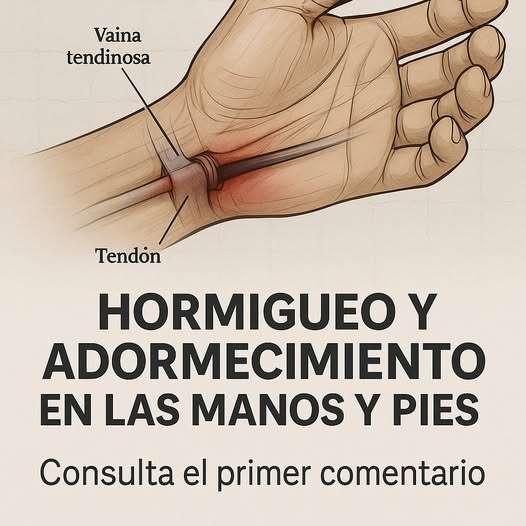
Carpal Tunnel Syndrome (CTS): The most common entrapment neuropathy. It occurs when the median nerve, which runs through a narrow passageway in your wrist (the carpal tunnel), is compressed. Numbness typically affects the thumb, index, middle, and part of the ring finger. 🤲
Cervical Radiculopathy (Pinched Nerve in the Neck): Problems in your cervical spine (neck), such as a herniated disc or arthritis, can irritate or compress the nerve roots that travel to your hands. This often causes numbness alongside neck pain or stiffness.
Diabetes and Diabetic Neuropathy: High blood sugar levels over time can damage nerves throughout the body, a condition known as diabetic neuropathy. It often causes a symmetrical "glove and stocking" numbness, starting in the hands and feet.
Raynaud's Disease: This condition causes some areas of your body—like fingers and toes—to feel numb and cold in response to cold temperatures or stress. It's due to a sudden narrowing of the arteries (vasospasm).
Other Potential Conditions: These can include hypothyroidism, multiple sclerosis (MS), lupus, or, in rare cases, more serious issues like a stroke or tumor. Sudden numbness, especially if accompanied by weakness, confusion, or difficulty speaking, requires immediate medical attention. 🚑
Your Action Plan: The Best Natural Remedies and Lifestyle Adjustments 🌿
Alongside professional medical advice, these natural strategies can support nerve health and alleviate symptoms.
1. Ergonomic Optimization and Movement 🪑
Adjust your workspace to keep your wrists straight and elbows at a 90-degree angle. Take frequent breaks every 30 minutes to stretch your hands, wrists, and neck. Simple stretches like "prayer pose" or gently pulling your fingers back can work wonders.
2. Targeted Exercises and Physical Therapy 💪
Strengthening the muscles around your nerves can provide better support and reduce pressure. Wrist flexor and extensor stretches, nerve gliding exercises (like the "median nerve glide"), and grip-strengthening exercises with a stress ball are highly beneficial.
3. Anti-Inflammatory Nutrition 🥗
Your diet plays a direct role in inflammation and nerve health. Focus on:
Omega-3 Fatty Acids: Found in fatty fish (salmon, mackerel), flaxseeds, and walnuts to fight inflammation.
Magnesium-Rich Foods: Such as spinach, almonds, avocados, and black beans, as magnesium supports nerve function.
Antioxidant Powerhouses: Berries, turmeric, and green tea to combat oxidative stress that can damage nerves.
Reduce inflammatory foods like processed sugars, refined carbs, and excessive alcohol.
4. Heat and Cold Therapy 🔥❄️
A warm compress or paraffin wax bath can relax muscles and improve blood flow to the area, soothing stiff joints and nerves. For acute inflammation or swelling, a cold pack wrapped in a towel can help reduce numbness caused by pressure.
5. Stress Management and Mind-Body Techniques 🧘♀️
Chronic stress exacerbates inflammation and muscle tension. Practices like yoga, meditation, and deep breathing exercises can lower stress hormones, promote relaxation, and improve circulation, indirectly benefiting nerve health.
6. Supplementation (Under Guidance) 💊
After consulting with a doctor, consider supplements like:
Alpha-Lipoic Acid (ALA): A potent antioxidant shown to improve symptoms of neuropathy.
B-Complex Vitamins: Especially B12 (methylcobalamin form) and B6, critical for nerve repair and function.
Magnesium Glycinate: A well-absorbed form of magnesium that can help with muscle relaxation and nerve signaling.
Conclusion: Taking Control of Your Hand Health ✨
Experiencing numb hands can be a frustrating and concerning symptom, but you are not powerless. By understanding the potential causes—from simple positional pressure to conditions like Carpal Tunnel Syndrome or diabetes—you take the first step toward effective management. Remember, listening to your body and seeking professional evaluation for persistent symptoms is paramount. Integrate the natural remedies discussed: optimize your ergonomics, nourish your body with anti-inflammatory foods, engage in targeted stretches, and manage stress. These proactive, holistic steps can significantly improve nerve function, reduce discomfort, and help you regain the full, comfortable use of your hands. Here's to feeling your best—from your fingertips up! 🙌
Deja una respuesta