Garlic Cultivation and Care
 Espanol
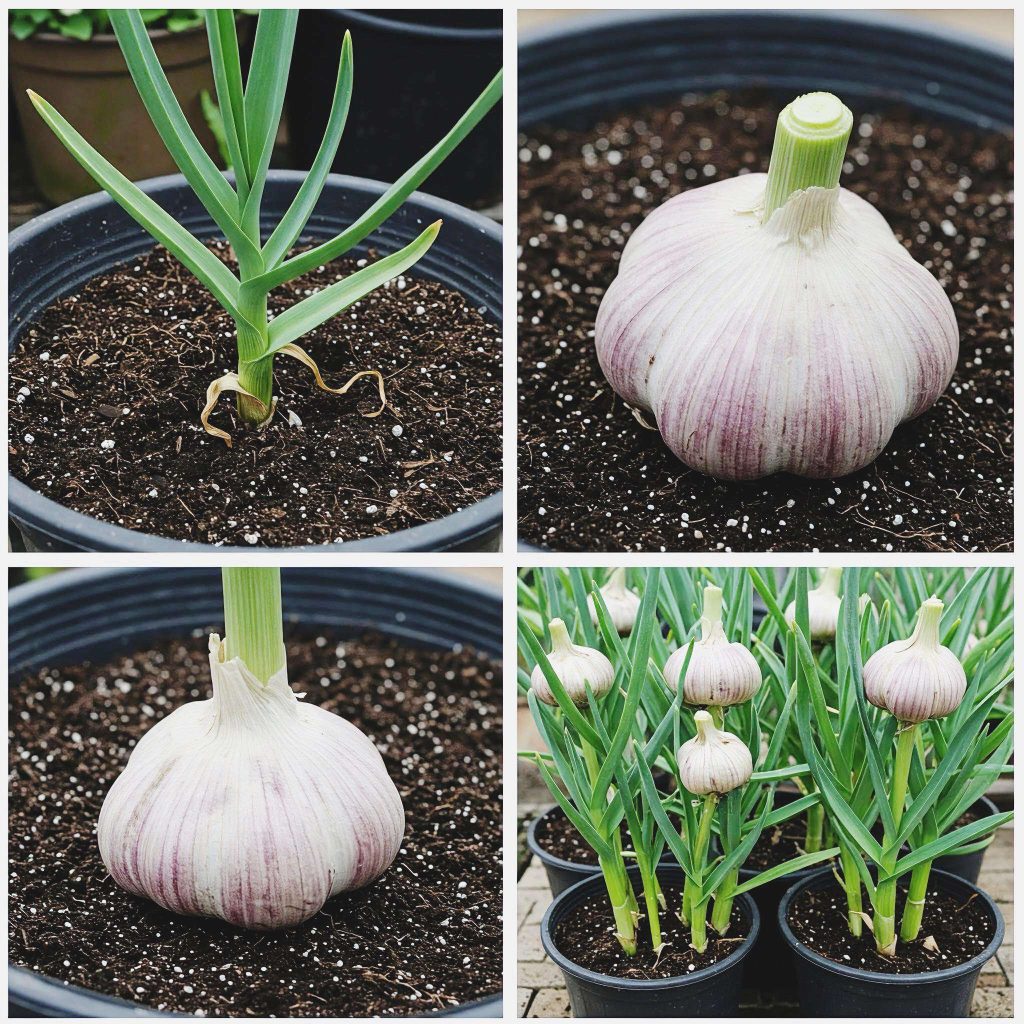
Garlic is arguably one of the most deeply rooted crops throughout the entire history of horticulture, making it a remarkable plant recognized worldwide. 🌍 This resilient and undemanding plant is perfectly suited for home cultivation, offering a wealth of benefits for your well-being. The garlic plant can reach up to 40 cm in height, consists of 6 to 12 cloves, and produces beautiful, small umbel-shaped flowers. In this comprehensive guide, we will explore everything you need to know about cultivating, caring for, and preserving your own garlic at home. 🧄
Espanol
Why Grow Your Own Garlic?
Beyond its culinary versatility, homegrown garlic is fresher, more flavorful, and free from the chemicals sometimes found in commercially grown varieties. Cultivating your own garlic connects you to an ancient agricultural tradition and ensures you have a constant supply of this healthy and aromatic bulb. It's a rewarding and surprisingly simple process that even beginner gardeners can master.
How to Cultivate Garlic at Home
Success in growing garlic starts with understanding its basic needs. Let's break down the essential requirements for a thriving garlic patch.
Soil Requirements: Garlic prefers well-draining, loamy soil with a pH between 5.5 and 7.5. If your soil is heavy with clay, consider amending it with compost or sand to improve drainage. Waterlogged soil can lead to rot, so this is a critical first step.
Sunlight & Location: Choose a spot that receives plenty of sunlight, though garlic can also tolerate partial shade. A sunny location is ideal for robust bulb development.
Companion Planting: Leveraging plant relationships can enhance your garden's health and yield.
Excellent Neighbors: Swiss chard, celery, broccoli, raspberry, onion, leek, lettuce, beetroot, cucumber, carrot, and fruit trees. 🥕 🥬
Poor Neighbors: Green beans, cabbage, peas, and broad beans. It's best to avoid planting garlic near these, as they can compete for nutrients or inhibit each other's growth.
Pro Tip: A few days before planting, enrich your soil with organic compost or well-rotted manure. This gives your garlic plants a nutrient-rich foundation for strong growth.
Establishing Your Garlic: Step-by-Step
You can successfully grow garlic in both garden beds and containers. Follow these simple steps to get started.
- Select a healthy, plump garlic clove from a reliable source. Avoid using cloves from the grocery store, as they may be treated to prevent sprouting.
- Prepare your soil and create holes 3-4 cm deep.
- Place each clove in a hole with the pointed end facing up.
- Cover the clove with soil, press down gently, and water lightly to settle the soil around it.
Planting Garlic Seedlings (Garlic Shoots)
If you're starting with young garlic plants (often called "starts" or "seedlings"), the process is just as straightforward.
- Depending on the size of the seedling's root system, make holes in the soil at least 4 cm deep.
- Place the garlic seedling with its roots facing down and cover the hole with soil, being careful not to bury the green shoot (the "tail").
- Press the soil down delicately and water just enough to moisten the earth and help the plant establish itself.
Pests and Diseases of Garlic
While garlic is a hardy plant, it can be susceptible to certain issues. Vigilance and early action are key to a healthy crop.
Most Common Pests: Garlic weevil, onion fly, and nematodes. 🐛 Regularly inspect your plants for signs of infestation.
Most Common Diseases: Downy mildew, white rot, rust, and various fungal growths. These are often exacerbated by excessive moisture and poor air circulation.
Prevention is the best medicine: Ensure good soil drainage, practice crop rotation (avoid planting garlic in the same spot year after year), and remove any affected plants immediately to prevent the spread of disease.
How to Care for Your Garlic
The growth and development of your garlic plant depend entirely on the care you provide. Here are the crucial care guidelines:
- Watering: The soil should not be overly moist to prevent parasites and rot in the bulbs. Watering needs depend on the climate; more water is needed in hotter weather. Initially, a cooler environment helps the bulb form properly. Later, it will tolerate warmer, sunnier conditions as long as it doesn't dry out completely. 💧
- Weeding: Keep your garlic bed free of weeds, which compete with your plants for nutrients and water.
- Fertilizing: If you use fertilizer, ensure it is organic, such as well-composted manure. This provides a slow release of nutrients without the risk of chemical burn.
How to Preserve Garlic
Preserving your garlic harvest allows you to enjoy its flavor year-round. While you can find pre-peeled garlic in stores, homemade preserves are superior in flavor and free from preservatives.
Handy Tip: To peel garlic cloves more quickly, press down on them gently with the flat side of a chef's knife. The skin will crack and be easy to remove. 🔪
Garlic Stored in Olive Oil
Storing garlic in olive oil is exceptionally practical if you use it frequently in cooking. This method creates ready-to-use, flavorful garlic confit.
Ingredients:
- Peeled garlic cloves
- Olive oil
Utensils: A glass jar with a lid.
Preparation:
- Place the peeled garlic cloves in a small saucepan and cover them completely with olive oil.
- Gently simmer the garlic over low heat until the cloves change color slightly (about 8 minutes). Do not boil.
- Carefully transfer everything into a clean glass jar with a lid and let it cool completely.
- Store in the refrigerator and use as desired. Important: Always keep garlic-in-oil refrigerated and consume within a week to prevent the risk of botulism.
Garlic Preserve in Vinegar (Pickled Garlic)
This preserve is delicious in mixed salads and vegetable dishes, adding a tangy, pungent kick. 🥗
Ingredients:
- 20 peeled garlic cloves
- 200 ml apple cider vinegar
- 2 healthy sage leaves (or other herbs like thyme or rosemary)
- 1 strip of lemon zest
Utensils: A glass jar with a tight-fitting lid
Deja una respuesta