Guava Leaves Benefits
 Espanol
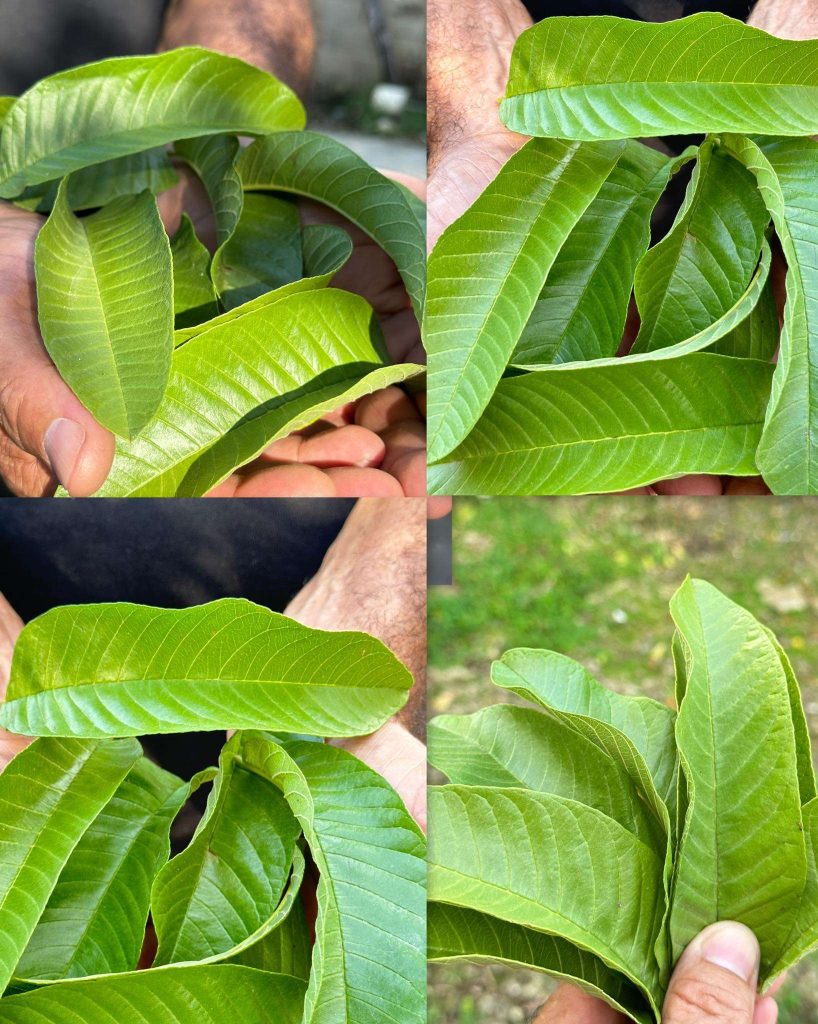
Welcome to a deep dive into one of nature's most versatile and often-overlooked remedies: the guava leaf. 🍃 While the sweet, tangy fruit of the guava tree (Psidium guajava) enjoys global fame, its humble leaves hold a treasure trove of health-promoting properties used for centuries in traditional medicine. This article will explore the science-backed guava leaves benefits, moving beyond the surface to provide you with practical, actionable knowledge. From stabilizing blood sugar to enhancing skin radiance, discover how this simple leaf can become a powerful ally in your wellness journey. Let's unlock its potential together.
Espanol
Beyond the Fruit: The Powerhouse Profile of Guava Leaves 🌿
Guava leaves are a rich source of potent bioactive compounds, including flavonoids (like quercetin), phenolic acids, tannins, and essential oils. They are also packed with antioxidants, particularly vitamin C and carotenoids. This unique phytochemical composition is responsible for most of their therapeutic effects, which range from anti-inflammatory and antimicrobial to antidiabetic and anti-cancer properties. Unlike the fruit, the leaves are low in sugar and calories, making their benefits accessible without the glycemic impact.
A Closer Look at the Top Health Benefits of Guava Leaves
The applications of guava leaves are impressively broad. Here, we break down the most significant, research-supported advantages of incorporating them into your health regimen.
1. Blood Sugar Regulation and Diabetes Management 🩸
One of the most celebrated benefits is their impact on blood glucose levels. Studies suggest that compounds in guava leaf tea can inhibit the absorption of certain types of sugars (like maltose and sucrose) in the intestine and improve insulin sensitivity. Drinking guava leaf tea after meals may help prevent blood sugar spikes. For individuals with prediabetes or type 2 diabetes, this can be a valuable, natural supportive measure, though it should never replace prescribed medication without a doctor's consultation.
2. Digestive Health and Relief from Discomfort 🤢
Guava leaves have strong antibacterial and anti-inflammatory properties that make them excellent for gut health. They can combat harmful bacteria like Salmonella and E. coli while soothing the lining of the stomach and intestines. This makes them effective in managing acute diarrhea, food poisoning, and stomach aches. A cup of warm guava leaf tea can provide relief from bloating and cramping, promoting a healthier digestive environment.
3. Heart Health and Cholesterol Support ❤️
The antioxidants in guava leaves, especially their ability to scavenge free radicals, contribute to cardiovascular protection. Research indicates that long-term consumption of guava leaf extract can help lower "bad" LDL cholesterol and triglycerides while raising "good" HDL cholesterol. Furthermore, the leaves contain potassium and compounds that may help lower blood pressure and improve overall blood flow, reducing strain on the heart.
4. Immune System Boost and Antimicrobial Action 🛡️
Packed with vitamin C and flavonoids, guava leaves are fantastic for strengthening the body's natural defenses. Their antimicrobial and antifungal properties make them a traditional remedy for fighting infections, from the common cold to skin fungi. Using a guava leaf decoction as a gargle can soothe a sore throat and combat oral bacteria, promoting better oral hygiene and reducing plaque formation.
5. Skin and Hair Enhancement ✨
The anti-inflammatory and antimicrobial benefits extend topically. Applying a cooled guava leaf wash or paste to the skin can help reduce acne, inflammation, and the appearance of wrinkles due to its astringent and collagen-boosting effects. For hair, rinsing with guava leaf tea is believed to strengthen hair follicles, combat dandruff, and prevent hair loss, thanks to its nutrient-rich profile that nourishes the scalp.
How to Use Guava Leaves: Practical Tips and Methods
To harness these benefits, here are the most common and effective ways to use guava leaves:
Guava Leaf Tea: This is the simplest method. Steep 3-5 fresh or dried leaves in hot water for 5-10 minutes. Strain and enjoy. You can drink 1-2 cups daily. Add ginger or honey for flavor and added benefits.
Topical Application: For skin or hair, boil a handful of leaves in water for 15-20 minutes. Let the decoction cool, then use it as a facial toner, a wash for wounds/eczema, or a final hair rinse after shampooing.
Crushed Leaf Poultice: Crush fresh, clean leaves into a paste and apply directly to acne, insect bites, or minor wounds to reduce infection and speed healing.
Important Consideration: Always source organic, pesticide-free leaves, whether fresh or dried. Start with small amounts to see how your body reacts.
Precautions and Final Thoughts: A Note of Caution ⚠️
While guava leaves are generally safe for most people, certain precautions are necessary. Pregnant and breastfeeding women should consult their doctor before use. Due to their potent effect on blood sugar, individuals with diabetes must monitor their levels closely if consuming the tea regularly, as it may interact with medication. As with any natural supplement, moderation is key, and it should complement—not replace—professional medical advice and treatment.
Conclusion: Embracing a Leaf of Life
In summary, the guava leaf is a remarkable example of nature's pharmacy, offering a wide array of benefits from internal metabolic support to external skin and hair care. Its power lies in its rich blend of antioxidants and anti-inflammatory compounds. By integrating guava leaf tea into your routine or using it topically, you can tap into an ancient, holistic tradition of wellness. 🍵 We encourage you to explore this natural remedy responsibly. Consult with a healthcare provider for personalized guidance, and consider making the mighty guava leaf a part of your journey toward balanced, natural health.
Deja una respuesta