How to Grow Blueberries at Home for an Endless Supply and Stop Buying Them Forever
 Espanol
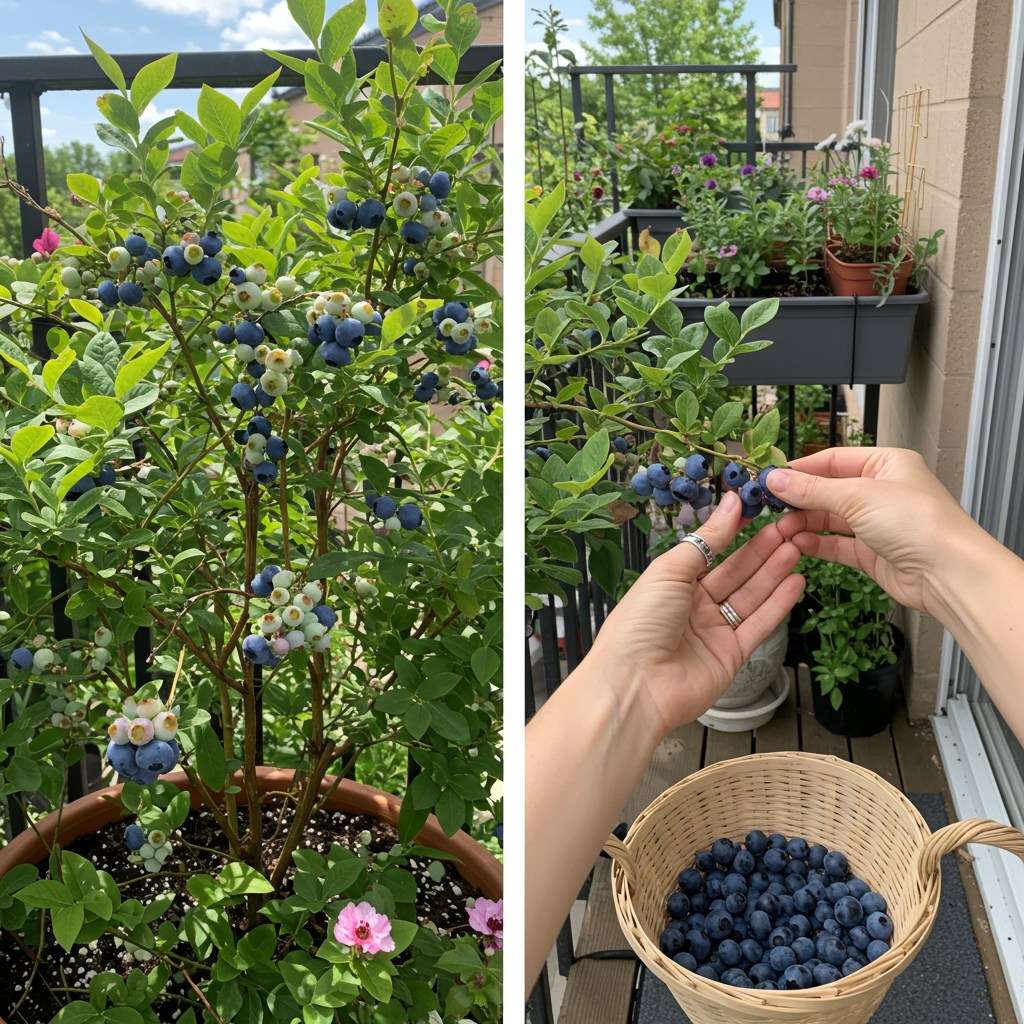
Are you tired of constantly buying those expensive little containers of blueberries at the grocery store? 🛒 What if you could step into your own garden or onto your balcony to pick fresh, sun-ripened berries bursting with flavor? Not only is it possible, but growing your own blueberry bushes is also a deeply rewarding project that can provide you with an endless supply for years to come. This guide will walk you through everything you need to know to successfully cultivate blueberries at home, turning your thumb green and your pantry full. Let's dive in and learn how to stop buying them forever! 🍇
Espanol
Why Grow Your Own Blueberries?
Mildly sweet with a tantalizing tang, the blueberry is a nutritional powerhouse. Its deep blue to purple hue is a telltale sign of its richness in antioxidants, vitamins—including a significant amount of Vitamin K—and essential minerals. In fact, these small but mighty fruits contain notable quantities of magnesium, potassium, calcium, and iron. Derived from the blueberry shrub, a bush from the Ericaceae family, blueberries are as delicious as they are low in calories. 🌿 Beyond the health benefits, the sheer satisfaction of harvesting your own fruit is unmatched. Whether enjoyed fresh, baked into muffins and pies, or blended into smoothies, homegrown blueberries offer a flavor and quality that store-bought ones simply can't match.
Getting to Know Your Blueberry Bush
Not all blueberry bushes are created equal. To ensure a bountiful harvest, it's crucial to understand the two main species you'll encounter.
Vaccinium myrtillus (Wild Bilberry): 🏔️ This is the low-growing, wild blueberry often found on moors and in forest clearings. It typically reaches only 20 to 50 cm in height and has evergreen foliage. While delicious, it's less commonly cultivated in home gardens due to its specific wild habitat requirements.
Vaccinium corymbosum (Highbush Blueberry): 🌳 This is the star of the home garden! A robust, deciduous shrub growing between 1.5 and 2 meters tall, it's perfectly suited for cultivation in garden soil, raised beds, or large containers. This is the species you'll most likely be planting for a reliable and plentiful yield.
In late spring (around May), your bush will adorn itself with delicate, bell-shaped white flowers that are a magnet for pollinators. 🐝 By summer, these blossoms will have transformed into the green berries that will swell and darken into the juicy, sweet fruit you've been waiting for.
The Secret to Success: Acidic Soil is Non-Negotiable
This is the single most important factor in growing blueberries. These plants absolutely require acidic soil with a pH between 4.5 and 5.5. They will struggle and ultimately fail in neutral or alkaline soil. If your garden soil isn't naturally acidic, don't worry—container gardening is your best friend!
For Container Planting:
- Choose a wide, substantial pot with excellent drainage holes.
- Place a layer of clay pebbles or gravel at the bottom to ensure good drainage. 💧
- Fill the pot with an ericaceous (acidic) compost mix. You can find this pre-made at garden centers. A great DIY mix is 2/3 peat-free ericaceous compost and 1/3 well-rotted leaf mold or pine needles.
- This method allows you to have complete control over the soil conditions, making it ideal for patios and balconies.
For In-Ground Planting:
- Test your soil's pH first. A simple test kit from a garden center will do.
- To acidify your soil, incorporate large amounts of ericaceous compost, sulfur chips, or used coffee grounds into the planting hole and surrounding area.
- Avoid using tap water if it's hard (high in lime). Collect rainwater for irrigation instead! ☔
How and When to Plant Your Blueberry Bush
The ideal time to plant your blueberry bush is in the autumn. This allows the plant to focus its energy on developing a strong root system over the winter, giving it a vigorous head start for spring growth. If you plant in the spring, you must be diligent with watering to help the plant establish itself during the warmer months.
Choose a sunny or partially shaded spot. More sun generally leads to sweeter berries. When planting, ensure the root ball is level with the soil surface. Space multiple bushes about 1.5 meters apart to give them room to grow.
Ongoing Care for a Bountiful Harvest
A little consistent care will reward you handsomely.
Feeding: In early spring (around March), feed your bush with a fertilizer designed for acid-loving plants like rhododendrons or azaleas. This provides the specific nutrients blueberries crave. 🌱
Mulching: In the autumn, apply a thick mulch of pine bark, pine needles, or oak leaf mold around the base of the plant. This does three wonderful things: it suppresses weeds, helps retain soil moisture, and, as it breaks down, it continues to acidify the soil.
Watering: Keep the soil consistently moist, especially during dry spells and when the fruit is developing. Remember, rainwater is best!
Pruning: For the first few years, minimal pruning is needed. Simply remove any dead, damaged, or diseased wood in the winter. Once the bush is mature (around 4-5 years old), you can start pruning out some of the oldest stems each winter to encourage new, productive growth. ✂️
Propagation: Once you have a healthy bush, you can create more for free! Blueberries can be propagated through softwood cuttings in summer, by division, or by layering a low-hanging branch.
Conclusion: Your Endless Supply Awaits
By following these steps—choosing the right variety, mastering the acidic soil, and providing consistent care—you are well on your way to becoming self-sufficient in blueberries. Imagine the joy of harvesting bowlfuls of fresh, organic berries from your own garden, all while saving a significant amount of money in the long run. The initial effort is a small price to pay for years of delicious rewards. So, grab a pot, some ericaceous compost, and your favorite blueberry plant. Your journey to a homegrown, endless supply starts today! 🎉
Deja una respuesta