How to Make a Jade Plant Bloom
 Espanol
```html
Espanol
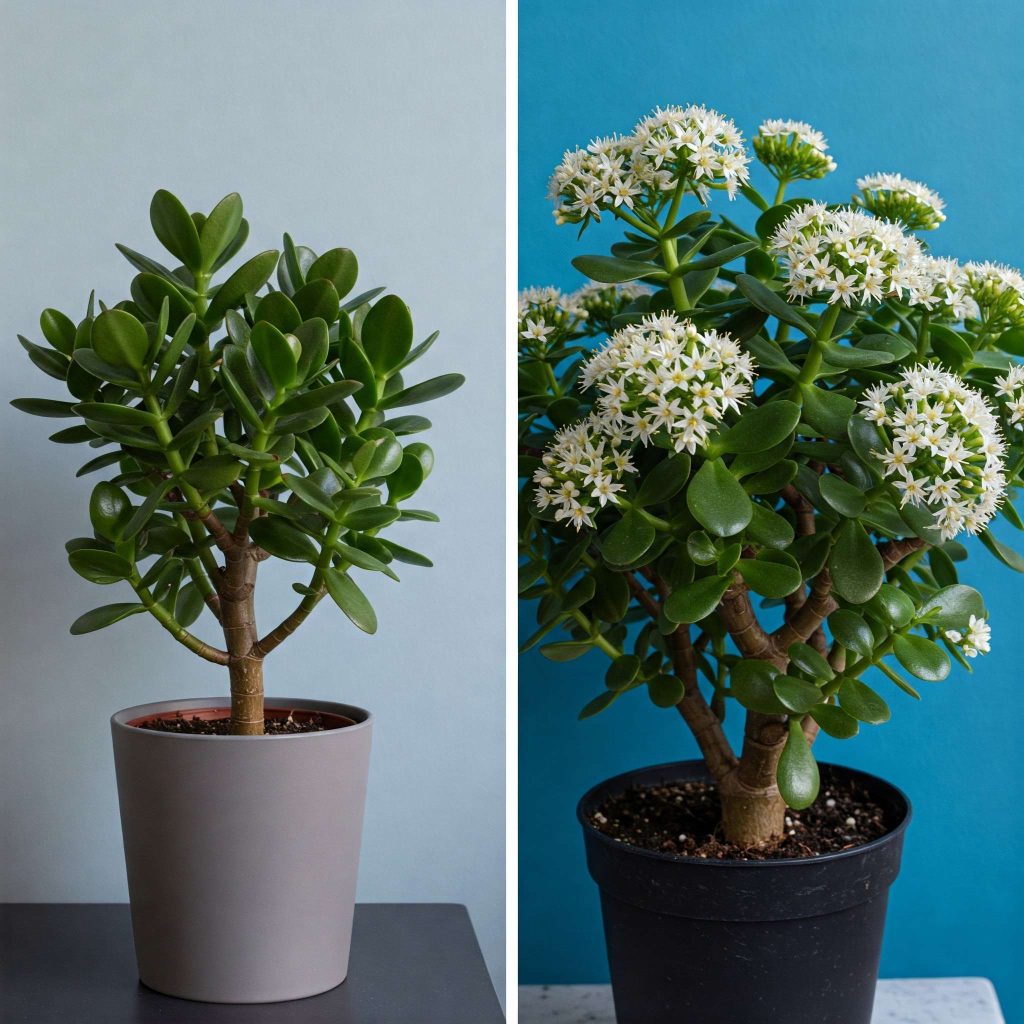
Witnessing a jade plant (Crassula ovata) in full bloom is a truly rewarding experience for any plant enthusiast. 🌸 While this resilient succulent is famously low-maintenance, coaxing it to produce its delicate star-shaped flowers requires a specific set of conditions and a little extra know-how. This guide will walk you through the essential steps to transform your jade plant from a simple green companion into a spectacular floral display.
Understanding the Jade Plant's Flowering Cycle 🌱
Native to the dry regions of South Africa, the jade plant is a hardy succulent that stores water in its fleshy leaves and stems. It's important to understand that flowering is not a given, even for a healthy plant. Bloom production is a sign of a very happy and mature jade plant. In fact, it's rare for a very young plant to flower at all. Most jade plants need to reach a certain level of maturity, often around 3-4 years old, before they even consider blooming. The flowering season typically occurs in the late winter months, offering a beautiful contrast of pink and white blossoms against the deep green foliage just when you need a touch of spring the most.
Creating the Perfect Environment for Blooms ☀️
The environment you provide is the single most important factor in encouraging your jade plant to flower. It's about replicating its natural habitat as closely as possible.
Light Exposure is Crucial: Your jade plant thrives in bright, indirect light. A south or west-facing window is often ideal. While it can tolerate some direct sun, too much intense, direct sunlight, especially during the afternoon, can scorch its leaves, hindering its ability to flower. If you notice the leaves turning red, it might be a sign of too much direct light. 💡
The Importance of a Cool, Dry Rest Period: This is the secret many growers miss. To initiate blooming, jade plants require a period of rest during the shorter days of fall and winter. This means exposing them to cooler nighttime temperatures, ideally between 50-55°F (10-13°C), while still ensuring they get plenty of bright light during the day. This temperature drop mimics the natural conditions in its native habitat and signals to the plant that it's time to produce flowers. Be sure to keep it away from cold drafts and heating vents, which can cause stress.
Essential Care Techniques for Maximum Blooms 💧
Once the environment is set, your watering and feeding habits will make all the difference.
Mastering the Watering Schedule: Overwatering is the fastest way to kill a succulent and will certainly prevent flowering. During its active growing season (spring and summer), water your jade plant thoroughly, but only when the top inch of the soil is completely dry. In the fall and winter, when the plant is in its rest period, you should reduce watering significantly. Allow the soil to dry out almost completely between waterings. This slight drought stress, combined with the cool temperatures, is a powerful trigger for blooming.
Fertilizing for Success: Feeding your jade plant provides the necessary nutrients to support the energy-intensive process of flowering. Use a balanced, water-soluble fertilizer diluted to half-strength, or better yet, a fertilizer specifically formulated for succulents and cacti. Fertilize once a month during the spring and summer. However, it is crucial to stop fertilizing entirely in the late fall and winter during the plant's dormant period, as this can disrupt its natural cycle.
Pot-Bound Encouragement: Jade plants often bloom more readily when they are slightly root-bound. This means the roots have filled the pot, creating a cozy environment. There's no need to rush to repot your jade plant every year. If it has been in the same pot for a few years and is otherwise healthy, it might be perfectly positioned to flower.
Troubleshooting: Why Isn't My Jade Plant Blooming? 🔍
If your plant is mature and still not flowering, consider these common issues:
- Insufficient Light: This is the most common culprit. Move your plant to a brighter location.
- No Rest Period: The plant is kept in consistently warm temperatures year-round. Try to provide those cooler winter nights.
- Overwatering: Especially during the winter, soggy soil will lead to root rot, not flowers.
- Over-fertilizing: Too much fertilizer, particularly high-nitrogen formulas, encourages leaf growth at the expense of flowers.
Conclusion: Patience Leads to Floral Rewards
Encouraging your jade plant to bloom is a test of patience and attentive care. By focusing on the key pillars of bright, indirect light, a cool and dry winter rest period, careful watering, and appropriate fertilizing, you create the perfect recipe for success. Remember that a mature, slightly pot-bound plant is your best candidate. Don't be discouraged if it doesn't flower in the first year; sometimes it takes a few cycles for the plant to respond. Stick with these practices, and you will be greatly increasing your chances of being rewarded with a stunning display of delicate, starry flowers that make all the effort worthwhile. Your thriving, blooming jade plant will be a testament to your green thumb! 🌟
```
Deja una respuesta