How to Make Your Christmas Cactus Bloom All Year Round
 Espanol
```html
Espanol
Welcome, plant enthusiasts! 🌵 If you've ever marveled at the vibrant blooms of a Christmas Cactus and wished they could last beyond the holiday season, you're in the right place. This comprehensive guide will walk you through the essential steps to extend the magnificent flowering period of your Schlumbergera, transforming it into a year-round spectacle of color. Let's dive into the secrets of encouraging perpetual blooms!
Understanding the Christmas Cactus
Contrary to its name, the Christmas Cactus isn't a desert dweller but a tropical succulent native to the rainforests of Brazil. 🌧️ Its scientific name, Schlumbergera, honors Frédéric Schlumberger, a famous French collector of cacti. This epiphytic plant grows on trees in its natural habitat, which explains its unique care requirements compared to other cacti. The key to its prolonged blooming lies in mimicking its natural cycles of light, temperature, and moisture.
The Perfect Environment for Year-Round Blooms
Creating the ideal environment is the most crucial factor in encouraging continuous flowering. Your Christmas Cactus thrives on stability and specific seasonal cues.
🌡️ Ideal Temperature Range: While it's known as a winter plant, the Christmas Cactus dislikes extreme heat. The perfect temperature for encouraging blooms is between 13°C and 15°C (55°F to 60°F). However, to promote budding, exposing the plant to slightly cooler temperatures of around 10°C (50°F) for several weeks during the fall can work wonders. Avoid placing it near radiators, heating vents, or drafty windows, as sudden temperature fluctuations can cause bud drop.
💡 Light Requirements: This plant is photoperiodic, meaning it blooms in response to day length. To initiate and maintain blooming, it requires 12-14 hours of uninterrupted darkness each night for about 6-8 weeks. During the day, provide it with bright, indirect light. A north or east-facing window is ideal. Direct afternoon sun can scorch the leaves, while too little light will result in weak growth and fewer flowers.
Mastering the Art of Watering and Feeding
Proper hydration and nutrition are the backbones of a healthy, ever-blooming cactus. Overwatering is a common mistake, but underwatering during the flowering period can be just as detrimental.
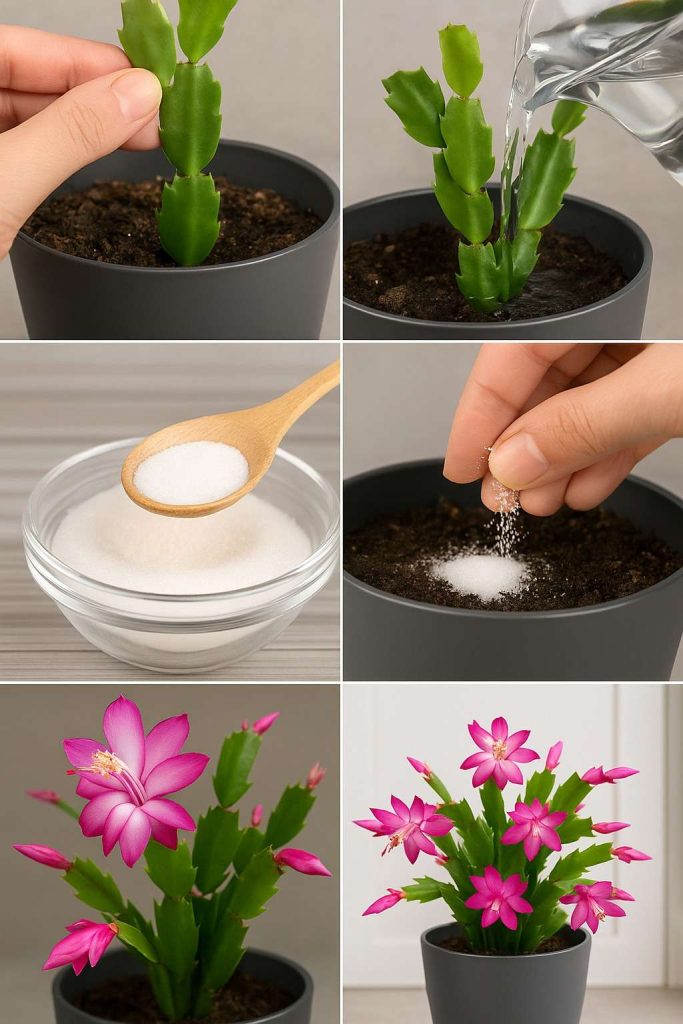
💧 Watering Technique: As a succulent, the Christmas Cactus stores water in its leaves, but it appreciates more humidity than its desert cousins. Water thoroughly when the top inch of soil feels dry to the touch. A good rule of thumb is approximately once a week, but this can vary with temperature and humidity. Ensure the pot has excellent drainage to prevent root rot. Furthermore, misting the leaves regularly replicates the humidity of its native habitat and helps prevent the buds from drying out and dropping.
🌿 Fertilization Schedule: Feeding your plant is essential for supporting continuous growth and flowering. During the growing season (spring and summer), fertilize every two weeks with a balanced, water-soluble fertilizer diluted to half strength. As fall approaches and you prepare the plant for blooming, switch to a fertilizer higher in potassium. Stop fertilizing during the peak blooming period in winter to allow the plant a natural rest.
Pruning and Propagation for Lush Growth
Regular maintenance not only keeps your plant looking tidy but also stimulates new growth, which is where future flowers will appear.
✂️ Strategic Pruning: To prolong the flowering period and encourage a bushier plant, it is advisable to gently remove any weak, brown, or particularly wilted segments. The best time to do a major pruning is in late spring, after the final blooms have faded. Simply twist the stem segments at the joints. This redirects the plant's energy into producing new, healthy growth.
🌱 Propagating New Plants: Don't throw away those pruned segments! They can be easily propagated to create new plants. Allow the cut ends to callous over for a day or two, then plant them in a moist, well-draining potting mix. In a few weeks, they will develop roots, and you'll have new Christmas Cacti to enjoy or share with friends. This cycle of renewal ensures you always have a young, vibrant plant ready to bloom.
Troubleshooting Common Blooming Problems
Sometimes, despite our best efforts, plants can be fussy. Here are quick solutions to common issues:
Bud Drop: This is often caused by sudden changes in temperature, light, or humidity. Once buds form, keep the plant in a stable location.
No Blooms: The plant likely isn't receiving enough darkness. Ensure it gets 12+ hours of complete darkness each night for 6-8 weeks.
Yellowing Leaves: Usually a sign of overwatering or too much direct sun. Check your watering schedule and light exposure.
Conclusion: Your Journey to a Perpetually Blooming Cactus
Transforming your Christmas Cactus into a year-round bloomer is an achievable and rewarding endeavor. By mastering the four key pillars—the right environment, precise watering, timely feeding, and consistent pruning—you can successfully mimic the plant's natural conditions and encourage a spectacular, prolonged display of flowers. Remember, patience and observation are your best tools. Pay attention to your plant's signals, adjust your care routine accordingly, and you will be rewarded with a resilient and beautiful succulent that brings joy throughout all the seasons. Happy growing! 🌺
```
Deja una respuesta