How to Plant Blueberry Bushes at Home for an Endless Supply and Never Buy Again!
 Espanol
```html
Espanol
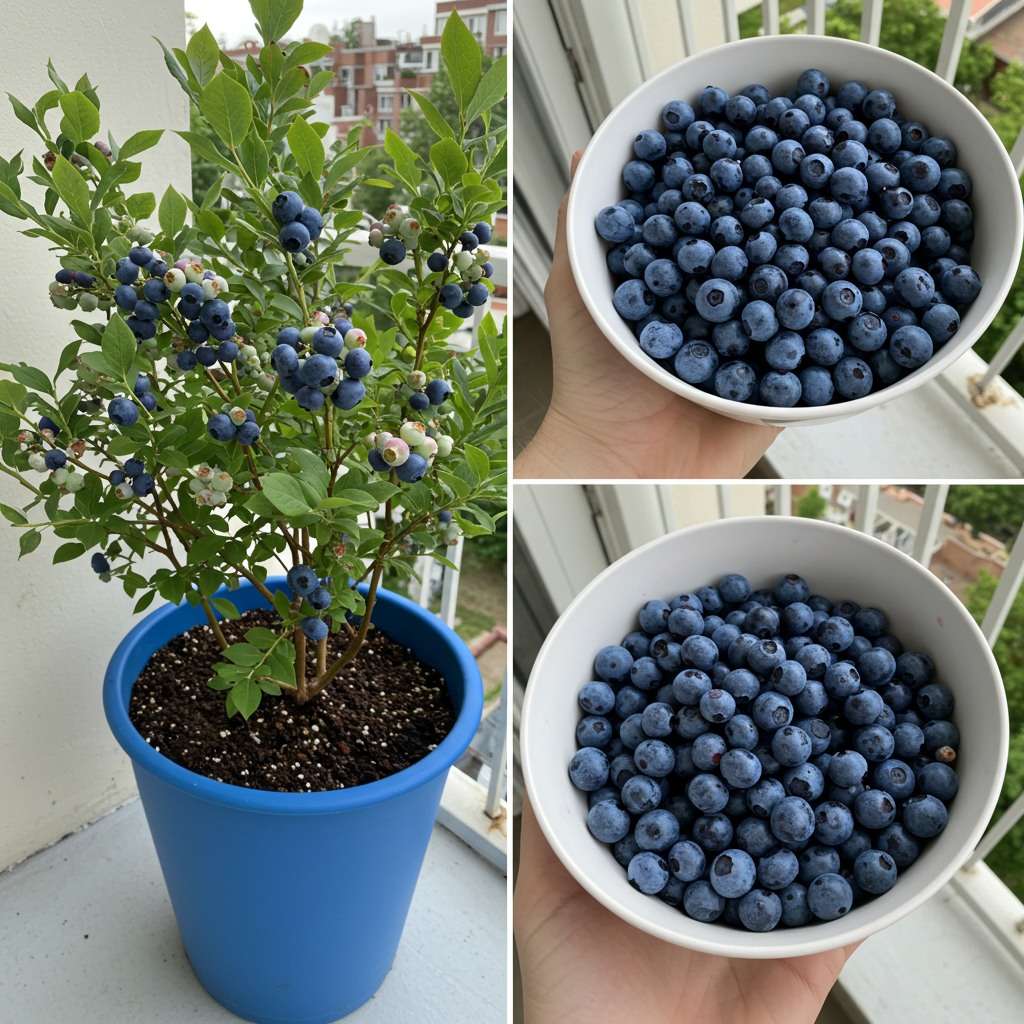
Imagine stepping into your garden and harvesting fresh, juicy blueberries right from your own bush—completely free from store-bought limitations! 🌱 Not only are these delicious berries packed with health benefits, but they also offer a sustainable, cost-effective way to enjoy nature’s sweetness. In this guide, you’ll learn everything you need to know to plant and nurture blueberry bushes at home, ensuring a lifelong supply of this superfruit.
Why Grow Your Own Blueberries? 🍇
Blueberries are more than just a tasty treat—they’re a powerhouse of nutrition. Slightly sweet and ranging in color from dark red to deep purple, these berries are rich in vitamins like vitamin K, antioxidants, and essential minerals such as magnesium, potassium, calcium, iron, zinc, and even vanadium. Derived from the blueberry shrub, a member of the Ericaceae family, these low-calorie fruits thrive in home gardens and containers. By growing them yourself, you can enjoy organic, pesticide-free berries while saving money and reducing your carbon footprint.
Two Key Blueberry Species to Know
Not all blueberries are the same! Understanding the two main species will help you choose the right one for your garden:
Vaccinium myrtillus 🏞️: Also known as wild bilberry, this species grows between 20-50 cm tall and features evergreen foliage. It typically thrives in heathlands, moorlands, or forest clearings and is ideal for naturalized garden settings.
Vaccinium corymbosum 🌿: This is the highbush blueberry, a cultivated variety that reaches 1.5-2 meters in height. It’s perfect for container gardening, raised beds, or orchard planting and is known for its abundant fruit production.
Planting Your Blueberry Bush: A Step-by-Step Guide
Timing and technique are crucial for establishing healthy blueberry bushes. Here’s how to get started:
1. Choose the Right Location: Blueberries thrive in full sun to partial shade. Ensure they receive at least 6 hours of sunlight daily for optimal growth and fruit production.
2. Soil Preparation Is Key: These plants require highly acidic, well-draining soil with a pH between 4.5 and 5.5. If your garden soil is alkaline, don’t worry—you can still grow blueberries in containers! Fill a wide pot with a mix of heather soil, compost, and potting mix to retain moisture while ensuring proper drainage. Adding a layer of clay pebbles or gravel at the bottom of the container will further improve drainage.
3. Planting Time: The best time to plant blueberries is in autumn, as this encourages strong root development before spring growth. If planting in spring, ensure consistent watering to support establishment.
Essential Care Tips for Thriving Blueberries
Once planted, your blueberry bushes need ongoing care to produce abundant fruit:
Fertilization: In early March, apply a specialized rhododendron or azalea fertilizer to provide the right balance of nutrients. Avoid fertilizers high in nitrogen, as they can harm the plant’s delicate root system.
Mulching: In autumn, cover the base of your bushes with pine bark or pine needles. This not only preserves soil acidity but also suppresses weeds and retains moisture.
Watering: Blueberries need consistent moisture, especially during dry spells. Use non-calcareous water, such as rainwater, to avoid altering the soil’s pH levels.
Pruning: During winter, remove any dead or damaged wood to encourage new growth. However, avoid heavy pruning—blueberries produce fruit on older wood, so over-pruning can reduce your harvest.
Propagation: Expand Your Blueberry Patch
Why stop at one bush? Blueberries can be easily propagated through cuttings, division, or layering. Softwood cuttings taken in late spring or hardwood cuttings in winter are both effective methods. By propagating your plants, you can create a self-sustaining blueberry garden without additional costs.
Troubleshooting Common Issues
Even the most carefully tended blueberry bushes can face challenges. Here’s how to address them:
Poor Fruit Set: If your bushes aren’t producing enough berries, consider cross-pollination. While some varieties are self-pollinating, planting multiple bushes can significantly increase yield.
Pest Control 🐦: Birds love blueberries as much as we do! Protect your harvest with netting or reflective tape. For insect pests like aphids, use organic solutions like neem oil.
Soil pH Imbalance: Yellowing leaves may indicate alkaline soil. Regularly test your soil and amend it with sulfur or acidic compost as needed.
Conclusion: Enjoy a Lifetime of Homegrown Blueberries
Growing blueberries at home is a rewarding journey that combines gardening skills with the joy of harvesting your own superfood. From selecting the right species to mastering soil preparation and ongoing care, each step brings you closer to self-sufficiency. By following these tips, you’ll not only save money but also enjoy the freshest, most flavorful berries straight from your garden. So, grab your gardening tools and start planting—your endless supply of blueberries awaits! 🌟
```
Deja una respuesta