Loquat Leaves: Benefits and How to Prepare Them
 Espanol
For centuries, natural medicine has turned to the power of plants, and among them, the loquat leaf stands out as a remarkable and often underappreciated gem. 🌿 While the loquat tree is celebrated for its delicious fruit, its leaves hold a treasure trove of health-promoting compounds. This article will explore the extensive benefits of loquat leaves and provide a simple guide on how to prepare a healing tea to incorporate this natural remedy into your wellness routine.
Espanol
What Are Loquat Leaves and What Do They Contain?
Loquat leaves come from the Eriobotrya japonica tree, native to Southeast China but now cultivated in many tropical and subtropical regions worldwide. These large, leathery leaves are a powerhouse of bioactive compounds. Their potency comes from a rich composition that includes:
- Powerful Antioxidants: Such as flavonoids and phenolic compounds that combat oxidative stress. 🛡️
- Triterpenes: Including ursolic acid and oleanolic acid, known for their anti-inflammatory and antiviral properties.
- Vitamins: A significant source of Vitamin A, B vitamins, and Vitamin C, which is crucial for immune function.
- Minerals: An excellent source of calcium, potassium, magnesium, and iron.
- Amigdalina (Amygdalin): A compound that has been studied for its potential effects on respiratory health.
This unique synergy of components is what makes loquat leaf such a versatile and effective natural supplement.
Top Health Benefits of Loquat Leaves
The traditional use of loquat leaves is now being supported by a growing body of preliminary scientific research. Here are some of the most notable health benefits:
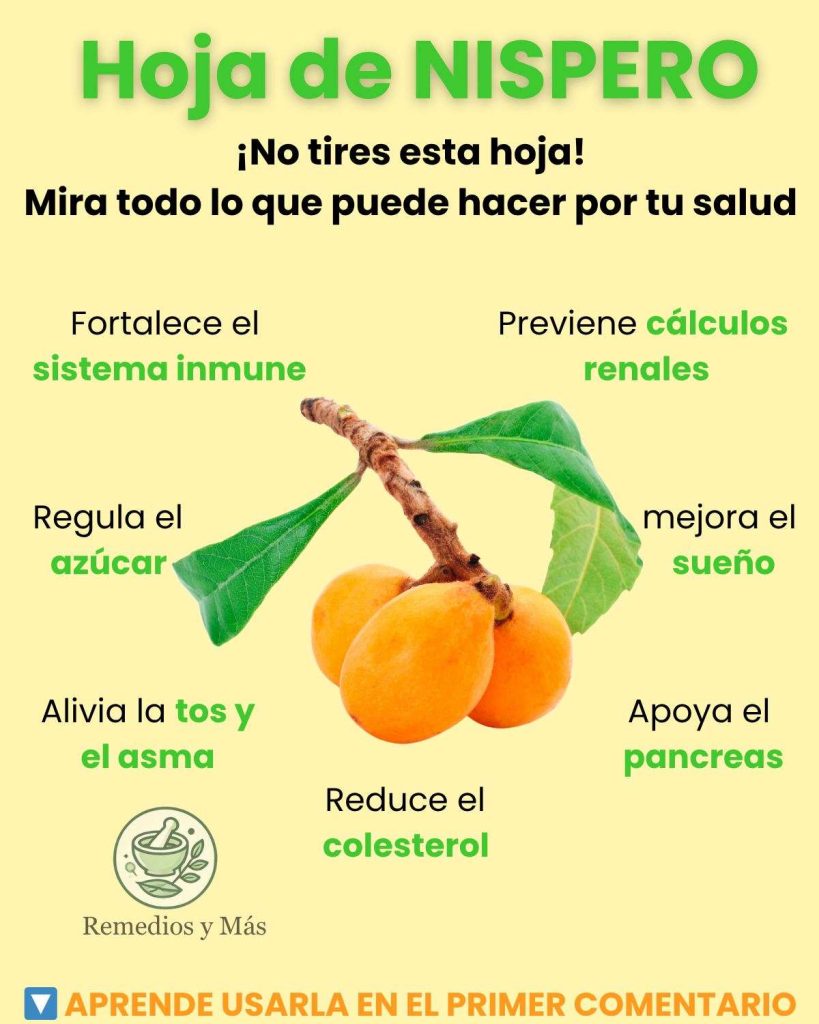
- Respiratory Health Relief: 🌬️ Acting as a natural expectorant, loquat leaf tea helps to soothe coughs, loosen phlegm, and ease the discomfort of bronchitis and sinusitis.
- Blood Sugar Regulation: Several studies suggest that compounds in the leaves, like tormentic acid, can help improve insulin sensitivity and regulate blood glucose levels, offering support for individuals with type 2 diabetes.
- Potent Anti-Inflammatory Action: The triterpenes in the leaves help reduce inflammation throughout the body, providing relief for joint pain, muscle soreness, and chronic inflammatory conditions like arthritis.
- Digestive Support: 🤢 The leaves have been used to calm the digestive tract, reducing acidity, alleviating indigestion, and minimizing stomach spasms.
- Immune System Booster: 💪 Thanks to its high antioxidant and vitamin C content, regular consumption can help strengthen the body's natural defenses against common illnesses.
- Antimicrobial and Antiviral Properties: Research indicates that loquat leaf extracts can inhibit the growth of certain bacteria and viruses, helping to prevent common infections.
- Cardiovascular Support: ❤️ The leaf can contribute to heart health by helping to lower bad cholesterol (LDL) levels and regulate blood pressure.
- Liver Protection: It exhibits a hepatoprotective effect, supporting the liver's natural detoxification processes and promoting overall liver health.
- Skin Health and Anti-Aging: ✨ The antioxidants help protect the skin from free radical damage, which can reduce wrinkles and promote a more youthful appearance. Its anti-inflammatory properties can also help with skin conditions like acne and eczema.
- Calming and Sedative Effects: A cup of loquat leaf tea in the evening can act as a mild sedative, helping to reduce anxiety and promote restful sleep. 😴
The Science Behind the Benefits
Modern science is beginning to validate what traditional medicine has known for ages. For instance, the anti-diabetic properties are linked to compounds that stimulate glucose uptake in cells. The anti-inflammatory effects are attributed to the inhibition of pro-inflammatory enzymes. This scientific backing adds a layer of credibility to the traditional uses, making loquat leaf a compelling subject for both natural wellness enthusiasts and researchers.
How to Prepare Loquat Leaf Tea at Home
One of the simplest and most effective ways to enjoy the benefits of loquat leaves is by preparing a tea. Here’s a detailed guide:
Ingredients:
- 5-6 fresh, organic loquat leaves (or 2 tablespoons of dried leaves)
- 1 liter (about 4 cups) of water
- Raw honey or lemon juice to taste (optional)
Preparation Method: 👩🍳
- Thoroughly wash the fresh leaves to remove any dust or impurities. If using fresh leaves, you can lightly crush them to help release their active compounds.
- Bring the water to a rolling boil in a pot.
- Add the leaves to the boiling water, reduce the heat to a gentle simmer, and let it cook for about 10-15 minutes. A longer simmering time will result in a stronger, more potent tea.
- Turn off the heat and allow the tea to steep, covered, for an additional 5-10 minutes.
- Strain the tea into a cup or teapot, discarding the used leaves.
- You can add a teaspoon of raw honey for sweetness and additional antimicrobial benefits, or a squeeze of lemon to enhance the flavor and vitamin C absorption.
Recommended Consumption and Important Precautions
To use loquat leaf tea safely and effectively, follow these guidelines:
Dosage: A common recommendation is to drink one cup (250 ml) of tea, one to two times per day, preferably after meals.
Treatment Duration: It is often advised to follow a cyclical pattern. Consume the tea for 2-3 weeks, then take a one-week break before resuming. This prevents your body from building a tolerance and allows you to assess its effects.
Deja una respuesta