Mimosa Pudica: Benefits and Medicinal Uses of the Sensitive Plant
 Espanol
In the vast and wondrous world of medicinal plants, few are as instantly captivating as the Mimosa pudica. 🌿 Often called the "sensitive plant," "touch-me-not," or "shameplant," this botanical marvel is renowned for its rapid leaf-folding defense mechanism, a delightful spectacle that has fascinated generations. However, to label it merely a curious oddity would be a profound disservice. Beyond its shy demeanor lies a powerhouse of therapeutic potential, deeply rooted in traditional medicine and increasingly validated by modern science. This article delves into the remarkable benefits and versatile medicinal uses of Mimosa pudica, exploring why this plant is a true treasure for natural health.
Espanol
Unveiling the Sensitive Plant: More Than Meets the Eye
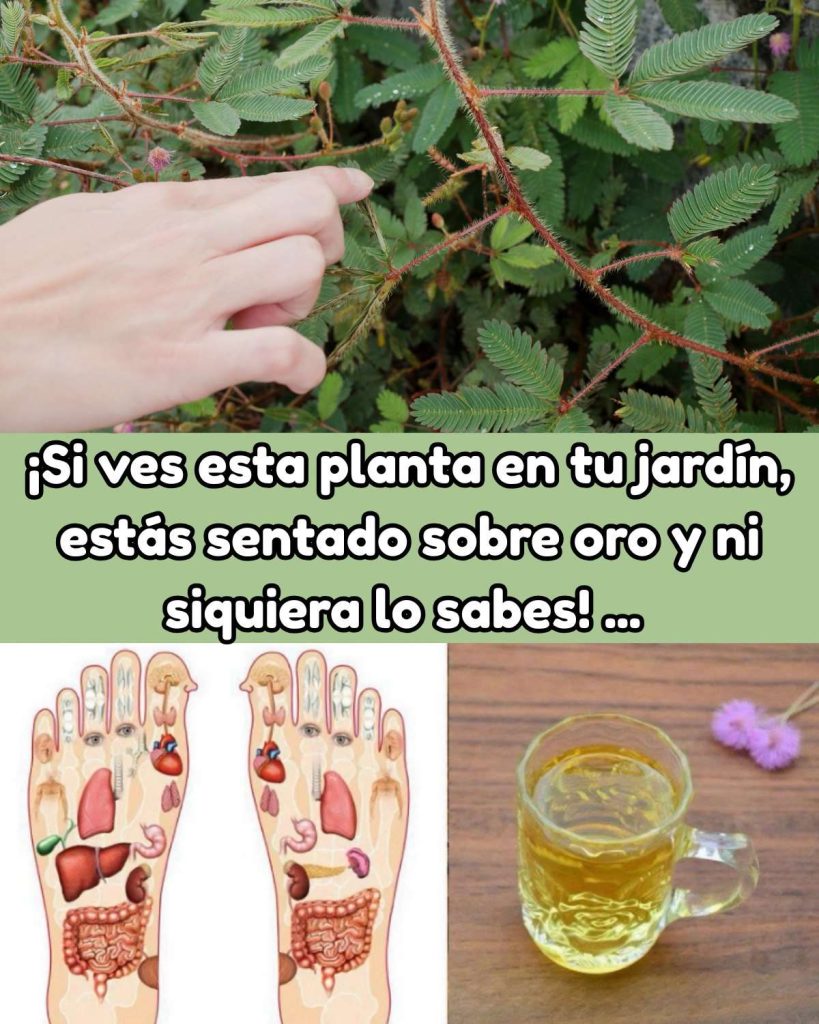
Native to South and Central America but now found in tropical regions worldwide, Mimosa pudica is a perennial herb belonging to the Fabaceae (legume) family. It's easily identifiable by its feathery, fern-like leaves and charming pink or purple puffball flowers. 🌸 The plant's most famous party trick—its rapid movement, known as thigmonasty—is a complex biological process triggered by touch, which causes a rapid loss of turgor pressure in its leaf cells, making them collapse and fold. From a survival perspective, this movement deters herbivores and shakes off pesky insects. From a human perspective, it opens the door to a plant with a robust chemical profile, rich in compounds like mimosine, tannins, flavonoids, and alkaloids, which contribute to its wide-ranging health benefits.
A Deep Dive into the Medicinal Benefits of Mimosa Pudica
The traditional use of Mimosa pudica spans continents, from Amazonian healers to practitioners of Ayurveda. Its applications are as diverse as they are effective, targeting everything from microbial infections to nervous system disorders.
Powerful Antimicrobial and Antibacterial Agent 🛡️
Research has confirmed what traditional medicine has long held: extracts from Mimosa pudica exhibit significant antimicrobial activity. Studies have shown its efficacy against a range of pathogens, including Escherichia coli (E. coli), Staphylococcus aureus, and even certain fungi. This makes it a valuable natural ally in combating skin infections, wounds, and internal bacterial issues. Its application can help prevent infection and promote a sterile environment for healing.
Potent Anti-Inflammatory and Pain-Relieving Properties
Inflammation is at the root of many chronic ailments, from arthritis to muscle soreness. The anti-inflammatory compounds in Mimosa pudica work to inhibit the body's inflammatory pathways, providing relief from swelling and pain. A poultice or compress made from the leaves can be applied directly to sore joints or inflamed muscles for targeted, natural relief. This offers a compelling alternative for those seeking to manage inflammation without relying solely on over-the-counter medications.
Accelerated Wound Healing and Tissue Repair
One of the plant's most celebrated traditional uses is as a wound healer. Its astringent and coagulant properties help staunch bleeding, while its antimicrobial action prevents infection. More importantly, compounds in the plant stimulate cellular regeneration and collagen production, significantly speeding up the healing process for cuts, burns, abrasions, and even ulcers. For minor cuts, applying a paste of fresh leaves can be remarkably effective.
Masterful Digestive and Intestinal Cleanser 🌱
Perhaps one of its most groundbreaking modern applications is in gut health. The seeds of Mimosa pudica are particularly prized for their unique ability to support digestive detoxification. They contain a special type of sticky polysaccharide (mucilage) that acts like a "broom" for the intestines. It helps to:
- Sweep out parasites, heavy metals, and toxins by binding to them.
- Clear out biofilm—a protective layer that harmful bacteria and parasites use to shield themselves.
- Promote regular bowel movements and relieve constipation.
This comprehensive cleansing action makes it a cornerstone of many modern herbal detox protocols.
Nervous System Calm and Sedative Effects
In our high-stress world, the calming properties of Mimosa pudica are more relevant than ever. The plant possesses mild sedative and anxiolytic (anxiety-reducing) qualities. Consuming it as a tea, especially in the evening, can help calm the mind, ease anxiety, and combat insomnia. It gently soothes the nervous system, facilitating a state of relaxation conducive to restful sleep. 😴
Immune System Modulation and Antioxidant Boost
Packed with antioxidants, Mimosa pudica helps neutralize harmful free radicals that cause oxidative stress and cellular damage. By reducing this stress, the plant supports the overall function of the immune system, enabling your body to mount a more robust defense against common illnesses and chronic diseases. Regular, moderate consumption can be an excellent part of a preventative health strategy.
Practical Guide: How to Use Mimosa Pudica
Integrating this powerful plant into your wellness routine is straightforward. Here are the most common and effective methods:
1. Herbal Tea/Infusion: Ideal for digestive support, relaxation, and a general immune boost. Steep 1 teaspoon of dried leaves and roots in hot water for 5-10 minutes.
2. Topical Poultice: For skin issues, wounds, or inflammation, mash fresh leaves into a paste and apply directly to the affected area, securing it with a clean cloth.
3. Tinctures and Liquid Extracts: These concentrated forms are excellent for systemic issues, deep detoxification, and ensuring a consistent, potent dose.
4. Capsules or Powdered Seeds: The most convenient method for a targeted intestinal cleanse and parasite removal. Always start with a lower dose to assess your body's tolerance.
Simple Relaxing Tea Recipe
To harness the plant's calming and digestive benefits, try this easy recipe:
Ingredients:
- 1 tsp dried Mimosa pudica leaves/roots
- 1 cup of boiling water
- Raw honey or lemon slice (optional, to taste)
Preparation:
- Pour boiling water over the dried plant material in a cup.
- Cover and let it steep for 10 minutes to allow the beneficial compounds to fully infuse.
- Strain the tea, add honey or lemon if desired, and enjoy.
- For best results, drink this tea in the evening to unwind or after a heavy meal to aid digestion. ☕
Important Precautions and Contraindications ⚠️
While Mimosa pudica is generally safe, its potency demands respect and caution.
- Pregnancy and Breastfeeding: It is not recommended for pregnant or nursing women due to a lack of safety data.
- Medication Interactions:
Deja una respuesta