Mimosa Pudica: The Sensitive Plant with Surprising Healing Properties
 Espanol
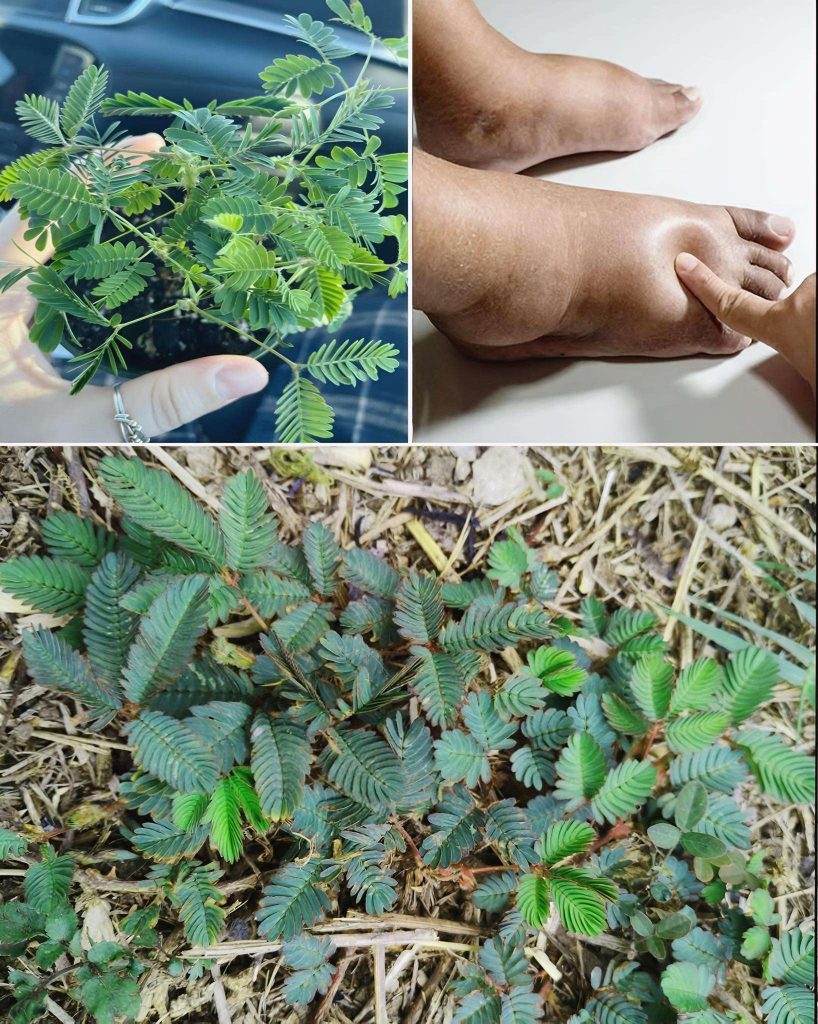
Often dismissed as a mere curiosity, the Mimosa pudica, commonly known as the Sensitive Plant or Shameplant, holds a secret. 🌱 While its rapid leaf-folding mechanism is a fascinating natural spectacle, this humble plant is, in fact, a powerhouse of medicinal properties. For centuries, traditional healers across Asia, Latin America, and Africa have harnessed its power to treat everything from superficial wounds to stubborn intestinal parasites. This article will unveil the scientifically-backed benefits of Mimosa pudica, provide practical recipes, and guide you on how to safely integrate this remarkable herb into your natural wellness toolkit.
Espanol
The Healing Chemistry of Mimosa Pudica 🔬
The potent therapeutic effects of Mimosa pudica are not magic; they are a result of a complex and powerful blend of bioactive compounds. Understanding this chemistry helps us appreciate why it's so effective.
Alkaloids: Act as natural analgesics (pain-relievers) and anti-inflammatories, helping to soothe aches and pains.
Flavonoids: These are potent antioxidants that combat oxidative stress, protecting our cells from damage and supporting overall health. 🛡️
Tanins: Known for their astringent properties, they help tighten tissues, reduce secretions, and promote wound healing.
Glycosides: Function as gentle laxatives, aiding in regulating intestinal transit and relieving occasional constipation.
Mimosine: This unique amino acid is the star player for its proven antiparasitic and antibacterial actions.
Saponins: These compounds have been shown to stimulate and modulate the immune system, helping your body defend itself.
Polysaccharides: Act as cellular regenerators and form a protective, soothing layer along the digestive tract.
20 Proven Benefits of Mimosa Pudica ✨
The synergistic action of its compounds translates into a wide array of health benefits, making it a versatile addition to any natural medicine cabinet.
1. Accelerates wound healing and tissue repair.
2. Helps close and heal ulcers and mouth sores.
3. Effectively eliminates intestinal parasites and worms. 🐛
4. Regulates bowel movements as a gentle, natural laxative.
5. Reduces pain associated with arthritis and rheumatism.
6. Alleviates muscle and joint inflammation.
7. Cleanses the skin and helps combat acne.
8. Aids in reducing the swelling and discomfort of hemorrhoids.
9. Calms the nervous system, promoting relaxation.
10. Encourages more restful and restorative sleep. 😴
11. Acts as a broad-spectrum antimicrobial agent.
12. Supports hormonal balance within the body.
13. Can alleviate symptoms of premenstrual syndrome (PMS).
14. Provides a protective effect for liver health.
15. Improves overall digestion and nutrient absorption.
16. Strengthens and fortifies the immune system.
17. Helps prevent urinary tract infections (UTIs).
18. Reduces gum inflammation and promotes oral health.
19. Freshens breath and fights bad oral bacteria. 🦷
20. Can help reduce excessive menstrual bleeding.
4 Natural Mimosa Pudica Recipes for Your Wellness 🍵
Turning this botanical wonder into practical remedies is simple. Here are four effective recipes you can prepare at home.
1. Anti-inflammatory Infusion for Joint and Muscle Pain
Ingredients:
1 tablespoon of dried Mimosa pudica leaves
1 cup of water
1 slice of fresh ginger (optional, for enhanced anti-inflammatory effect)
Preparation: Bring the water to a boil. Add the Mimosa leaves and ginger (if using), remove from heat, cover, and let it steep for 10 minutes. Strain before drinking.
How to Use: Drink 1 cup in the morning and another before bed for 7 consecutive days.
Benefits: This infusion targets inflammation at its source, providing relief from pain and promoting muscular relaxation.
2. Antibacterial and Antiseptic Facial Toner
Ingredients:
1 cup of fresh Mimosa pudica leaves
2 cups of water
5 drops of Tea Tree essential oil (a powerful synergistic antiseptic)
Preparation: Boil the leaves in the water for 10 minutes. Allow to cool completely, then strain the liquid. Add the tea tree oil and store in a sterilized glass bottle. 🌿
How to Use: Apply to a clean face using a cotton pad, both morning and night.
Duration: Use for 15 days straight, then take a one-week break to maintain skin sensitivity.
Benefits: Deeply cleanses pores, fights acne-causing bacteria, balances the skin's pH, and provides a toning effect.
3. Healing Paste for Wounds, Bites, and Sores
Ingredients:
10 fresh Mimosa pudica leaves
1 teaspoon of turmeric powder (for its potent anti-inflammatory and antimicrobial properties)
Sterile water (as needed)
Preparation: Crush the fresh leaves with the turmeric powder in a mortar and pestle, adding sterile water drop by drop until a thick, spreadable paste is formed.
How to Use: Apply a thin layer directly onto the cleaned wound or bite. Cover with a sterile gauze. Change the dressing every 8 hours.
Duration: Use until the wound is fully healed, or for a maximum of 7 consecutive days to prevent skin sensitization.
Benefits: This paste effectively disinfects the area, accelerates the formation of new tissue, prevents infection, and reduces localized pain and swelling.
4. Antiparasitic Intestinal Tea
Ingredients:
1 teaspoon of dried Mimosa pudica leaves
1 cup of water
Preparation: Boil the water, add the leaves, cover, and let it steep for 8 minutes to ensure the mimosine is properly extracted. Strain.
How to Use: Drink one cup on an empty stomach for 5 consecutive days. For preventive care, this cycle can be repeated every 2 months.
Benefits: This powerful tea helps expel intestinal worms and other parasites while simultaneously soothing inflammation in the colon.
General Usage Guidelines 📝
To ensure both safety and efficacy, follow these general dosage recommendations.
Oral Infusion: 1 cup (250 ml), 1-2 times per day, for 5 to 7 continuous days.
Topical (Paste): Apply a thin layer, 2-3 times per day, until the wound is healed.
Facial Toner: Use with a cotton pad, morning and night, for 15 days followed by a break.
Deworming: 1 cup on
Deja una respuesta